

To Buy Lopressor Online Visit Our Pharmacy ↓

How Lopressor Works to Lower Blood Pressure
When you take Lopressor, it begins a quiet but powerful process in your bloodstream. This medication belongs to a group called beta-blockers, which specifically target certain receptors on your heart. By blocking these signals, Lopressor slows the heart rate and reduces the force of each heartbeat. This helps your heart work more efficiently and gently, ultimately lessening the pressure against your artery walls.
Consistent use can lead to a noticeable drop in your blood pressure readings over time. As your heart isn’t pumping as hard, your vessels remain more relaxed. The result? A lower risk of complications associated with high blood pressure, like stroke or heart attack.
| Action | Effect on Body |
|---|---|
| Slows heart rate | Decreases workload on the heart |
| Relaxes blood vessels | Lowers blood pressure levels |
Starting Lopressor: Your First Few Days
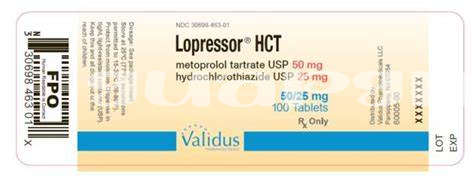
As you begin taking lopressor, your doctor will likely start you on a low dose to assess how your body responds. Some people notice a feeling of tiredness or mild dizziness within the first days as their body adjusts. It’s important to take lopressor at the same time each day and avoid suddenly stopping the medication. Monitoring your blood pressure at home can help track how the medicine is working, giving you and your healthcare team valuable information during this adjustment period.
Common Side Effects to Watch Out for
When starting lopressor, some people notice feeling fatigued or lightheaded, especially when standing up quickly. This happens as the medication helps relax blood vessels and ease the heart’s workload, but it can also lower your blood pressure more than expected in the beginning. Sometimes, your heart rate may slow down, which can be noticeable if you’re used to feeling your pulse during exercise or at rest.
Other reactions may include cold hands and feet or mild digestive issues like nausea. These are typically manageable, but it’s important to listen to your body as you adjust to lopressor. Everyone’s experience can differ, and sometimes the side effects fade as your body gets used to the medication.
Be mindful of significant changes such as shortness of breath or swelling in your ankles, which are less common but more serious. Let your doctor know if you experience anything that feels unusual. Prompt attention can help ensure you have a safe and effective experience with lopressor.
Tips for Taking Lopressor Effectively
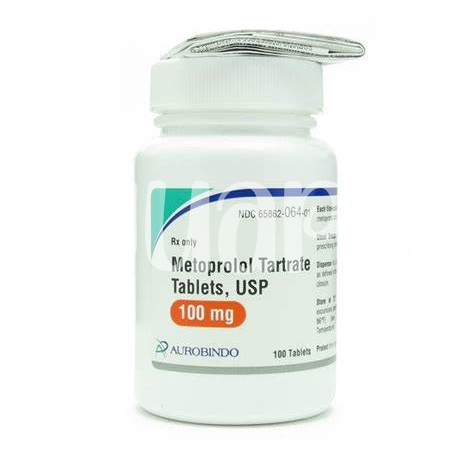
Taking Lopressor at the same time each day can help keep your blood pressure stable and make it easier to remember your dose. Pairing your tablet with a daily routine, such as breakfast or brushing your teeth, builds consistency. Never stop Lopressor abruptly, even if you feel well—this can cause a spike in blood pressure. If you ever miss a dose, take it as soon as you remember unless it's almost time for your next one. Always follow your healthcare provider’s specific instructions.
Managing Lifestyle Alongside Lopressor Treatment
Healthy habits can significantly improve how well lopressor works. Prioritizing a balanced diet, especially one low in sodium, is vital for those aiming to control blood pressure. Regular exercise, even simple activities like daily walks, helps your heart and may enhance the medication’s effects. Remember, avoiding smoking and limiting alcohol supports cardiovascular health.
Stress management is often overlooked but plays a big role in your treatment plan. Engage in relaxation techniques such as deep breathing or yoga to keep blood pressure steady. It’s helpful to track your readings at home, which gives insights into your progress and highlights patterns over time.
Making these lifestyle adjustments requires commitment, but starting with small changes makes the process more manageable. Set realistic goals, like cooking healthy meals a few times per week or gradually increasing your physical activity. Share successes and challenges with your healthcare provider for tailored support.
The journey alongside lopressor isn’t just about taking a pill—it’s about building a heart-healthy routine that lasts. Each positive step combines with your medication, giving you the best chance of reaching and maintaining healthy blood pressure.
| Lifestyle Factor | Simple Change |
|---|---|
| Diet | Reduce salt intake |
| Exercise | Walk 20–30 minutes daily |
| Stress | Practice meditation or deep breathing |
When to Contact Your Doctor about Lopressor
If you notice symptoms such as chest pain, sudden shortness of breath, irregular or very slow heartbeat, or severe dizziness, it’s crucial to reach out to your doctor immediately. Lopressor may sometimes cause more significant side effects, and these warning signs could indicate a serious reaction that needs prompt evaluation. Additionally, if your blood pressure remains high despite taking the medication as prescribed, your treatment plan may need adjusting.
It’s important to watch for any swelling in your ankles or feet, unexplained tiredness, mood changes, or signs of allergic reaction like rash or difficulty breathing. Even subtle changes can provide clues about how well Lopressor is working for you.
Regular communication with your healthcare provider helps ensure any concerns are addressed quickly and any necessary adjustments made. By staying proactive and attentive to how you feel, you can safely manage your blood pressure and minimize complications. MedlinePlus: Lopressor, Mayo Clinic: Metoprolol Side Effects