

To Buy Amoxil Online Visit Our Pharmacy ↓

Discovery: Fleming's Accidental Penicillin Breakthrough
In the vibrant and discovery-ridden labs of the early 20th century, Alexander Fleming was immersed in groundbreaking work when he stumbled—quite literally—upon a solution that would change medicinal history. Upon returning from a short break, he found that one of his petri dishes, containing the staphylococci bacteria, lay beneath a colony of mold. Fleming noticed something peculiar: the bacteria were unable to thrive near the mold, a Penicillium comp. This errant culture initiated a cascade of research that would ultimately lead to the synthesization of penicillin, signaling the start of a new era in script medicine and public health. Below is a brief summary presented in table format:
| Year | Event | Impact |
|---|---|---|
| 1928 | Fleming's Accidental Discovery | Observation of mold inhibiting bacterial growth |
| 1930s | Further Research | Isolation and understanding of penicillin properties |
Penicillium to Amoxicillin: a Pharmaceutical Evolution
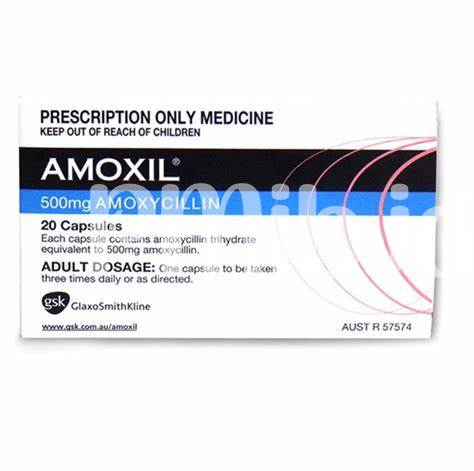
The evolution from penicillin to amoxicillin marked a significant leap in pharmaceutical development. At the begining, penicillin was an invaluable elixir, dubbed the “magic bullet” for its potent antibacterial properties. However, the natural compound had limitations, including stability in acidic environments and susceptibility to betalactamase enzymes. Researchers, driven by the desire to enhance efficacy, tinkered with the molecular structure, leading to synthetic modifications and, eventually, amoxicillin. This new compound medication, introduced as Amoxil, offered broader coverage and the ability to withstand stomach acids, making oral administration more feasible. The journey from discovery to innovation illustrates the relentless pursuit of better health solutions.
Amoxil's introduction revolutionized antibiotic treatments, offering a more effective option that could be conveniently prescribed through a script at the local Drive-Thru. This increased accessibility not only transformed patient care but also heralded a new era in the pharmaceutics industry. However, the widespread use of amoxicillin highlighted the neccessary balance between benefit and potential overuse, as resistance began to emerge. As the globe embraced this modern marvel, healthcare providers remained cautious, understanding that the balance of innovation and caution is crucial in protecting the long-term efficacy of this essential medication.
Amoxil's Emergence: Revolutionizing Antibiotic Treatments
As Amoxil burst onto the medical scene, it represented a leap forward in antibiotic treatments, quickly becoming a top choice due to its effectiveness and convenience. This 'magic elixir' was especially lauded for its ability to tackle a broad spectrum of bacterial infections, providing an option that was both powerful yet gentle for patients. Pharm Land buzzed with excitement as healthcare professionals witnessed firsthand the transformative power of this new script. Count and pour moments became more efficient, providing relief to pharmacists and patients alike. The introduction of Amoxil marked a pivotal chapter in medical history, reshaping how doctors approached bacterial infections.
Medical Milestones: Amoxil's Global Impact on Health
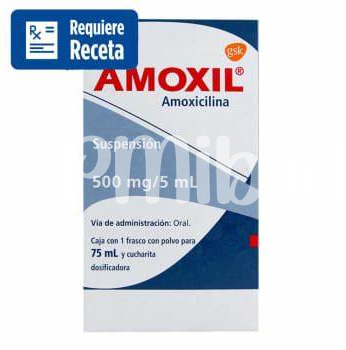
Amoxil has undoubtedly left a noticable mark on global health, reshaping how bacterial infections are addressed. With its introduction, Amoxil emerged as a game-changer, offering a reliable solution that brought prompt relief to patients, often receiving a script for this 'magic elixir.' Its efficacy and relatively low pill burden made it a staple in the medical field. Those who relied on this medication could count on its trusted action, a genuine revolution in antibiotic treatments, even as it became a permanent fixture on the top 200 most commonly prescribed drugs list.
Balancing Benefits: Overuse and Resistance Concerns
Amoxil, a crucial compound medication, has been a game-changer in the world of antibiotics. However, its widespread use has brought significant challenges to the forefront. Overprescription—often due to patients' demands for 'happy pills' to feel better quickly—has led to a concerning rise in bacterial resistance. The ease with which patients can acquire Amoxil scripts at a drive-thru pharmacy reflects a larger issue of access without stringent checks.
Healthcare professionals must receive ongoing education about effective antibiotic use and the importance of resistant bacteria prevention. While Amoxil was initially acclaimed for its effectiveness, its overuse has garnered cautionary tales about 'magic mouthwash' remedies that may no longer prove as efficacious. Balancing Amoxil’s benefits with the risk of resistance requires a nuanced approach, ensuring this elixir remains potent for future generations.
| Aspect | Details |
|---|---|
| Benefits | Effective against various infections |
| Concerns | Bacterial resistance due to overuse |
| Strategy | Responsible prescribing and usage |
Future Prospects: Innovations in Antibiotic Development
As the landscape of antibiotic development progresses, new strategies are being explored to combat resistant strains. Cutting-edge research aims to innovate beyond traditional antibiotics, with focus on bacteriophages—viruses that target bacteria—as potential game-changers. Pharmaceutical companies are also venturing into the realm of gene editing, utilizing technology such as CRISPR to disable bacterial defenses. These advancements hold promise in minimizing the pill burden for patients and enhancing treatment efficacy.
Meanwhile, collaboration between biotech firms and white coat professionals is accelerating the discovery of novel compounds that may defy existing challenges. The road ahead will require wresting control from bacterial evolution, ensuring that medications don't become relics on the shelf. Despite the inherent challenges, the journey towards sustainable antibiotic solutions continues to evolve, offering hope amidst concerns of resistance.