

To Buy Zithromax Online Visit Our Pharmacy ↓

When Zithromax Fights Ear Infections Fast
A child clutches a pillow and winces as a parent dials the doctor; within hours a prescription arrives. Azithromycin is prized for its quick absorption and tissue penetration, making it useful for acute middle ear infections when chosen by clinicians.
Clinically, many patients report notable pain relief in 24 to 48 hours and fever reduction soon after. That rapid onset can reduce follow-up visits and ease distress for families.
Azithromycin targets common pathogens like Streptococcus pneumoniae, Haemophilus influenzae and Moraxella catarrhalis, though local resistance patterns matter. Physicians weigh allergy history, severity and guidelines before prescribing.
Parents should expect prompt improvement; return for worsening symptoms or no betterment after forty-eight hours for reevaluation and possible culture.
| Onset | Common benefit |
|---|---|
| 24–48 h | Pain and fever relief |
Treating Sinusitis: Azithromycin’s Unexpected Role Explained
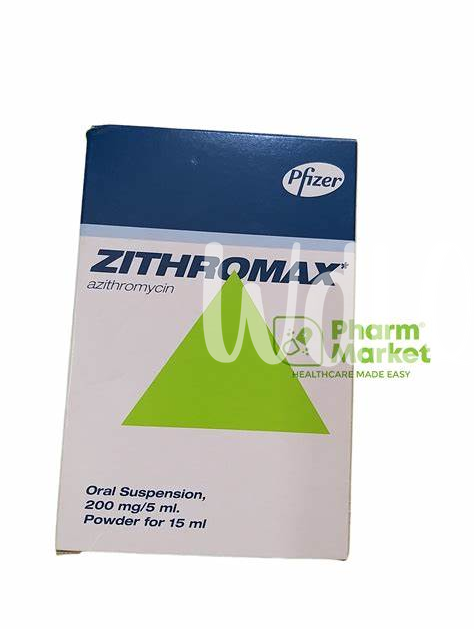
A stubborn sinusache sent me to the clinic where the doctor listened, explained causes, and suggested an alternative to usual decongestants. He described when antibiotics can help and why azithromycin sometimes works where others fail.
Unlike common cold viruses, bacterial sinusitis involves inflamed, mucus-clogged sinuses that may respond to macrolide antibiotics. Zithromax offers convenient dosing and tissue penetration, concentrating in sinus lining to target common pathogens effectively and reduce symptoms.
Clinical trials show modest benefit for selected patients, especially those with persistent bacteria or previous antibiotic failure. Risks like resistance and side effects mean physicians weigh benefits, choosing therapy based on culture, severity, and history.
If prescribed, complete the course as directed and report any worsening breathing, diarrhea, or allergic reactions. Conversation with your clinician ensures antibiotics like zithromax are used responsibly alongside nasal care and symptom relief as needed.
Sti Defense: Zithromax Use for Chlamydia
A sudden diagnosis can feel overwhelming, yet a single-dose antibiotic often brings swift relief. zithromax is commonly prescribed for chlamydia because it reliably clears the infection when taken correctly.
Health providers also emphasize partner treatment and safe sex counseling to prevent reinfection. Testing after treatment confirms cure and helps curb spread in communities with rising STI rates.
Side effects are mild, nausea or diarrhea, but seek medical advice for chest pain or fainting. Timely treatment prevents complications like pelvic inflammatory disease, long-term fertility issues and routine follow-up testing is recommended.
Skin Infections: How Azithromycin Helps Heal
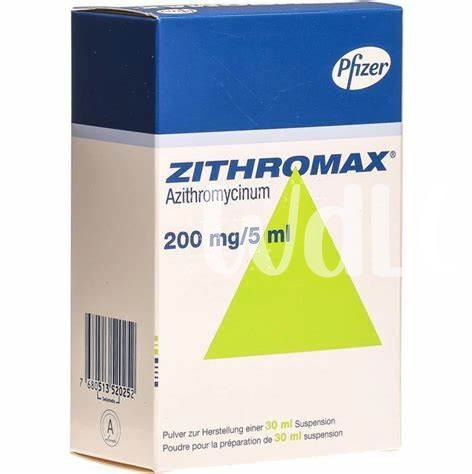
A neighbor recalled swollen skin and spreading redness that calmed within days after starting azithromycin, a macrolide antibiotic. Its targeted action against common skin bacteria and dosing often speed recovery for mild to moderate infections.
Because azithromycin concentrates well in skin tissues and has anti-inflammatory effects, clinicians sometimes choose it for impetigo, erysipelas, acne flares, or atypical presentations. Short courses and good oral absorption make outpatient treatment manageable and effective.
But it isn’t a cure-all: rising resistance among staphylococci and streptococci can limit usefulness. Providers often obtain cultures, consider local susceptibility, and avoid use when beta-lactams are safer. Watch for QT interactions and allergies too.
In real patient stories, quick symptom relief and simplified dosing improved adherence and reduced complications. When prescribed appropriately and paired with follow-up, zithromax can be a practical tool in the primary care skin infection toolkit.
Off-label Wonders: Zithromax in Copd Exacerbations
A reluctant hero in pulmonary wards, zithromax sometimes eases COPD flares when bacteria complicate breathing for vulnerable or elderly patients.
Clinicians use it off-label to reduce infection-driven exacerbations, hoping for faster recovery and fewer hospital days and may shorten overall recovery time.
Evidence is mixed, so choices balance potential benefit with resistance risks; patients are monitored closely for response and side effects. Careful monitoring remains crucial.
When antibiotics fit the case, zithromax can become part of a pragmatic strategy to restore breath and function during flare-ups. Discuss options with clinicians.
| Use | Note |
|---|---|
| Zithromax | Off-label for COPD exacerbations — monitor benefits vs resistance |
Anti-inflammatory Effects: Beyond Antibiotic Action Insights
Clinicians began noticing that azithromycin calmed swelling and pain faster than expected, prompting curiosity. Studies revealed that beyond killing bacteria, the drug modulates immune signaling, reducing neutrophil activity and certain cytokine levels in inflamed tissues.
Research shows macrolides alter macrophage and epithelial cell behavior, lowering pro-inflammatory mediators like IL-8. These shifts can diminish mucus production, disrupt bacterial biofilms indirectly, and improve tissue repair independent of direct antibacterial action in patients.
Clinically, low-dose azithromycin regimens have reduced exacerbation rates in chronic airway diseases and decreased inflammatory markers in sputum samples. Benefits appear gradual, suggesting immunomodulation accumulates during prolonged, carefully monitored therapy in select patients with supervision.
Despite promise, risks include cardiac QT prolongation, gastrointestinal discomfort, hearing changes, and contribution to antimicrobial resistance. Physicians must weigh risks, monitor therapy, and reserve courses for patients with demonstrated benefit, under informed consent and follow-up.