

To Buy Wegovy Online Visit Our Pharmacy ↓

Mechanism and Dosing: How the Drugs Differ
A prescription often feels like a fork in the road. Both drugs mimic GLP-1 hormone signals, but subtle receptor preferences alter appetite and gastric emptying, shaping clinical effects and experience.
Starting doses and escalation diverge: Wegovy advances to a higher maintenance weekly dose for weight management, while Ozempic usually stays lower with slower titration focused primarily on glucose control needs.
Both contain semaglutide, yet formulation and labeled regimens differ. Pharmacokinetics are similar, but higher approved exposure with Wegovy produces greater anorectic effects; both are administered by weekly subcutaneous injection regularly.
Patients report appetite changes and nausea during escalation; clinicians emphasize individualized titration, monitoring for side effects, and that product doses are not interchangeable—prescription choice should reflect goals and medical assessment.
| Drug | Typical weekly dose | Indication |
|---|---|---|
| Wegovy | 2.4 mg | Weight |
| Ozempic | 0.5–1 mg | Diabetes |
| Titration schedules differ per label | ||
| Consult provider | ||
Approved Uses: Weight Loss Versus Diabetes Control
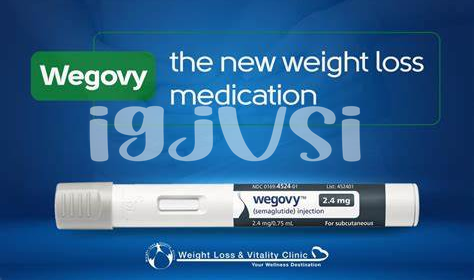
Clinicians prescribe different semaglutide formulations depending on goals. Wegovy is approved specifically for chronic weight management in adults with obesity or overweight and comorbidities.
Ozempic, while the same active molecule, is FDA‑cleared for type 2 diabetes, primarily to improve glycemic control, not formally for weight loss.
Some doctors prescribe lower-dose Ozempic off-label for weight benefits, but dosing, clinical trials, and labeling differ—wegovy’s higher maintenance dose targets fat loss.
Choosing depends on health goals: diabetes control prioritizes Ozempic’s glycemic benefits; for obesity-driven weight reduction, providers consider wegovy alongside comprehensive lifestyle therapy.
Real World Results: Comparative Weight Loss Outcomes
Patients often describe early weeks on wegovy as a reset of appetite, and registries mirror clinical trials: many lose double-digit percentages of body weight in months. Reports suggest semaglutide formulations used for obesity yield greater weight loss than lower-dose diabetes regimens, with lifestyle support.
In practice, variability is high—age, starting BMI, adherence, and concurrent therapies shape outcomes. Some switch from diabetes doses to obesity doses and see incremental benefit; others plateau and require dose adjustment or interventions. Understanding that averages mask individual trajectories helps set realistic expectations in treatment planning.
Side Effects and Safety: Short and Long Term

At the start, patients often experience nausea, vomiting, diarrhea or constipation as the body adjusts; injection‑site reactions and mild headaches are also common but usually fade over several weeks. wegovy users frequently report gradual tolerance with improved energy and smaller portions, though temporary dehydration from vomiting requires attention.
Long‑term questions center on pancreas, gallbladder and thyroid risks, plus cardiovascular effects; large studies show weight‑related heart benefits but monitoring is advised. Rare pancreatitis and gallstones occur, and any persistent severe abdominal pain or fast heart rate should prompt urgent evaluation.
Discuss plans with clinicians about duration, pregnancy plans and symptom thresholds; stop only under medical advice and report worrying signs early to balance benefit and safety.
Cost, Access, and Insurance Coverage Differences Explained
Sticker shock is common: wegovy’s list price can outpace diabetes formulations, and availability varies by region.
Insurance often covers GLP-1s for type 2 diabetes but resists approvals for weight-loss indications, creating gaps in coverage.
Prior authorization, step therapy, manufacturer coupons, and clinic programs can lower out-of-pocket costs; pharmacists help navigate options.
Ask clinicians about alternatives, dose changes, or patient assistance programs to balance benefits, safety, and affordability.
| Scenario | Typical cost |
|---|---|
| Diabetes (Ozempic) | Often covered; lower patient copays and coupons |
| Weight loss (Wegovy) | Frequently uncovered; higher out-of-pocket expenses for many patients |
Practical Tips: Choosing, Dosing, and Stopping Treatment
Imagine discussing options with your clinician: choose Ozempic if primary goal is glucose control, Wegovy when targeted obesity dosing matters. Consider medical history, pregnancy plans, and insurance coverage before deciding.
Start low and titrate slowly: both are once‑weekly injections but Wegovy reaches higher weight‑loss doses. Expect GI side effects early; adjust pace with your provider to improve tolerability and monitoring.
If stopping, coordinate with your clinician: appetite rebound and weight regain occur. Diabetes medications may need adjustment; arrange follow‑up and lifestyle support to maintain gains.
Learn injection technique, store pens refrigerated, report severe nausea promptly. If you miss a dose follow specific timing rules. Combine medication with nutrition, activity, and hydration for lasting results sustainably.