

To Buy Vermox Online Visit Our Pharmacy ↓

What Vermox Is and How It Works
Imagine a small, tenacious worm encountering an enemy that stops its fuel supply. This prescription medicine, widely used for intestinal worm infections, binds to parasite beta-tubulin and prevents microtubule formation. Without functional microtubules the parasite cannot absorb glucose or maintain cell structure, which rapidly impairs motility and survival. Clinicians choose it for pinworms, roundworms, and some tapeworms because of its targeted antiparasitic action and single-dose convenience in many cases reliably.
It is absorbed poorly, so systemic exposure is generally low after standard oral doses, although repeated or high-dose regimens raise plasma levels. The liver quickly metabolizes the drug into inactive products eliminated in feces and urine. Laboratory findings show embryos can be harmed at high exposures, but routine short courses usually minimize maternal systemic drug burden. Always discuss timing, necessity, and alternatives with your clinician to weigh benefits and risks.
| Property | Notes |
|---|---|
| Target | Parasitic microtubules |
| Absorption | Poor oral absorption |
| Metabolism | Rapid hepatic metabolism |
Pregnancy Safety Data and Research Summary
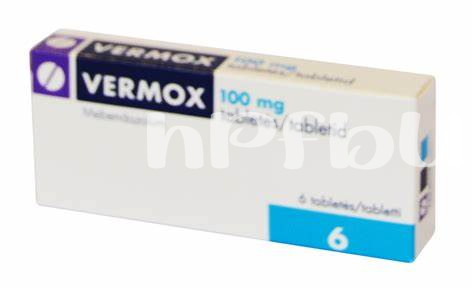
Clinical studies on antiparasitic use during pregnancy are limited, so researchers rely on animal data and case reports to guide decisions carefully.
Human observational data for vermox show mixed results; short courses often appear low risk, but larger, controlled trials are scarce and inconclusive however.
Animal studies revealed developmental effects at high doses, prompting caution. Clinicians weigh infection severity against potential fetal exposure when considering treatment options.
Guidelines emphasize individualized assessment, using the lowest effective dose and timing therapy to minimize embryonic risk. Shared decision-making and follow-up monitoring are essential.
Risks by Trimester: Fetal Development Concerns
During the first trimester, organogenesis makes exposure to medications more concerning; animal studies suggest vermox can affect embryonic development at high doses, so clinicians often avoid routine use early in pregnancy. Anxiety about unknown risks is common, and decisions weigh infection severity against potential teratogenicity.
In later trimesters, placental transfer and fetal growth concerns shift risk assessment: limited human data do not show clear malformation signals, but effects on growth or neurodevelopment remain uncertain. Shared decision-making, targeted testing, and considering alternative therapies or delayed treatment can reduce harm to fetus
When to Avoid Vermox and Alternatives
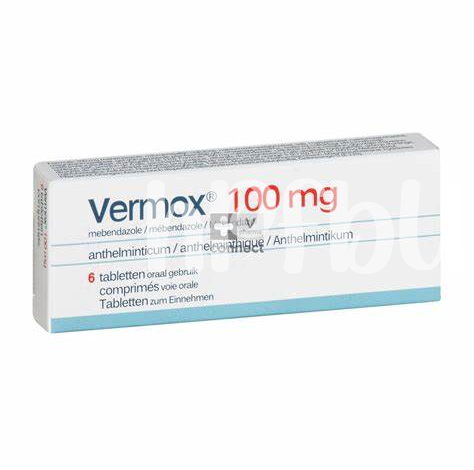
If you discover a worm infection while pregnant, many clinicians recommend avoiding vermox during the first trimester because animal studies showed possible embryo toxicity and human safety data are limited. When infection is mild, delaying systemic mebendazole until after organogenesis is often advised, while strict hygiene, household treatment, and monitoring can reduce spread. If immediate therapy is essential, weigh maternal benefit against fetal risk with your clinician and seek guidance.
When treatment is necessary after first trimester, pyrantel pamoate is often preferred because of a better safety profile; albendazole and mebendazole generally avoided early, and ivermectin has limited pregnancy data. Discuss tailored options — single-dose oral pyrantel, topical measures for pinworm, or postponing therapy until postpartum. Keep a record of risks and benefits to make an informed shared decision and involve obstetric, infectious disease, and pediatric teams when complex for guidance.
Dosage, Timing, and Safe Treatment Strategies
A clinician balances infection control with fetal safety, adjusting vermox timing to minimize exposure while treating symptomatic helminth infections. Dosage decisions often consider parasite type, maternal symptoms and gestational age.
Lower single doses are favored and alternative agents or delayed therapy may be chosen when possible; monitoring and folate support are practical safeguards. When treatment is unavoidable, the lowest effective course under close supervision reduces risk.
Shared decision making, clear documentation and follow up testing create a safe, individualized plan. Plan includes lab checks and neonatal assessment after birth care.
| Action | Purpose |
|---|---|
| Single-dose | Limit exposure |
| Delay | Protect early development |
Talking with Your Provider: Questions to Ask
Begin by describing symptoms, exposure history and prior treatments; ask if medication is essential now, what benefits justify use, and whether watchful waiting is a reasonable option for this pregnancy.
Ask about trimester-specific risks, fetal effects, alternative therapies, drug interactions, and breastfeeding impact. Request clinical data, guideline references, and clear rationale that supports the treatment choice for this pregnancy specifically.
Agree on follow-up plans, monitoring tests, and warning signs that need immediate attention. Clarify dosing, timing, monitoring during treatment, breastfeeding guidance, and whether specialist referral will occur during the pregnancy.