

To Buy Ventolin Online Visit Our Pharmacy ↓

Preflight Checklist: Pack Your Rescue Inhaler Properly
At dawn I zip my travel bag and slide my rescue inhaler into a clear, labeled pouch; this small ritual calms me and ensures quick access. I pack a spare canister and check expiration dates, keeping both in carry-on to avoid checked-bag delays.
Bring the original prescription box or label so security and medical staff recognize the medication. Consider a doctor’s note mentioning dosage and necessity, especially for unfamiliar airports.
Store inhaler with mouthpiece caps on, avoid extreme temperatures, and rehearse quick retrieval before boarding to further reduce in-flight anxiety.
| Item | Action |
|---|---|
| Primary inhaler | Carry-on, labeled |
| Spare canister | Extra carry-on |
Security Screening Secrets for Medication and Devices
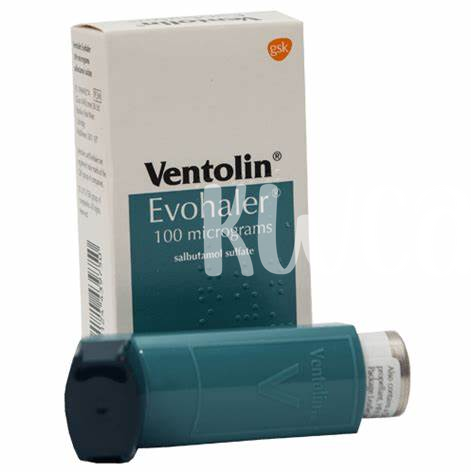
I once stood in a busy terminal, heart racing as my bag passed through the scanner. Keep rescue inhalers accessible in a clear bag, labelled, and ready to show; being proactive eases stress and speeds screening.
Declare inhalers at the start of screening and separate them from liquids. Most airports allow small inhalers outside liquid limits, but present them to officers and follow local rules. Device demonstration is rarely requested.
Bring original prescription labels or a doctor’s note showing generic name and dosage. For unfamiliar devices or brands like ventolin, clear documentation prevents confusion and helps security personnel verify medical necessity quickly and confidently.
Pack spare canisters in carry-on, keep spacers collapsible if possible, and consider travel-size cases. If screening requires secondary inspection, stay calm, explain medical need, and request a private screening if you prefer to protect your medication.
Doctor Notes, Prescriptions, and Documentation You Need
Before travel, get a short physician letter outlining diagnosis, prescribed inhaler ventolin (albuterol), dose and administration route. Bring the labeled prescription bottle plus one printed copy. Store photos of documents on your phone in case originals are lost at security.
Check airline and country rules ahead of time and have prescriptions translated if traveling abroad. Include your doctor’s contact information and allergy details. For long trips, request multiple refill authorizations and have pharmacy contact numbers handy to arrange emergency replacements.
Keep paperwork and meds in your carry-on and present them calmly at screening. Brief notes explaining necessity ease interactions. If challenged, request the lead officer and show prescription proof or a translated copy and backups.
Onboard Strategies: Managing Breathing during Flight
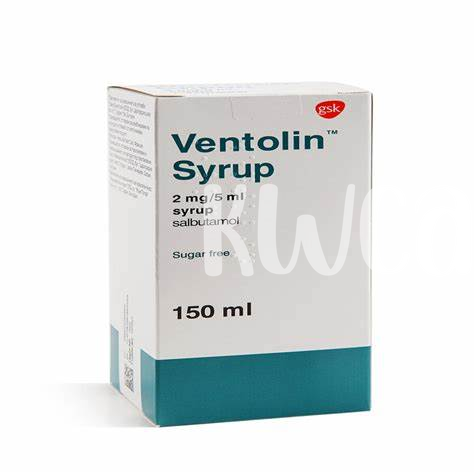
At cruising altitude the cabin air can feel dry and tight; I learned to breathe deliberately, inhaling slowly through my nose and exhaling to keep panic at bay. Take deep-breathing breaks, sit upright, and avoid caffeine that can trigger symptoms. Moistening nasal passages with saline spray before boarding helps, and practicing pursed-lip breathing can extend comfortable breaths when turbulence or anxiety spikes.
Keep your ventolin inhaler and a spacer within easy reach in the cabin, not checked luggage. Use reliever doses promptly at first signs and tell crew if wheeze persists or ask for oxygen. Stay hydrated, move periodically to prevent stiffness, and plan connections near medical facilities when traveling abroad, especially on long flights.
What to Do If Inhaler at Security Confiscated
A sudden tug at security can feel personal; I watched a traveler hand over a ventolin inhaler and hold their breath. Stay calm, explain its medical purpose, and ask for a supervisor if needed.
Present documents immediately.
| Document | Tip |
|---|---|
| Prescription | Keep original; show at screening |
| Doctor note | Brief dated note with diagnosis |
Request a written receipt, photograph belongings, and ask staff about alternatives or on-board permission. Contact airline desk immediately to request release or replacement, then promptly follow up with your doctor for a stamped prescription before the next flight.
International Rules: Pump Spacers, Refills, Restrictions
Across borders, airport and customs rules vary, so start by researching your destination’s regulations and airline policy well before departure. Pack inhalers and spacers in carry on, keeping canisters in original labeled packaging alongside a prescription or doctor’s letter. Many countries permit a month's supply for personal use, but some require documentation for larger quantities; controlled ingredients like codeine may be restricted or need an import permit.
Bring spare spacers and extra doses in case pharmacies abroad carry different brands or limited stock; spacers are allowed in carry on but can be bulky. At security, declare medication proactively and present documents to avoid delays. For long trips, arrange refills ahead by contacting your doctor or using international pharmacies that accept prescriptions. Finally, confirm whether destination airports allow aerosol canisters and check local emergency numbers so you’re ready if symptoms escalate.