

To Buy Ventolin inhaler Online Visit Our Pharmacy ↓

Ventolin Is Not Addictive: Understanding True Dependence
Breathing in relief feels like reclaiming space. Many fear that relying on a quick inhaler means addiction, but the reality ties to symptom control rather than chemical dependence or craving.
Healthcare professionals distinguish physiological addiction from appropriate medication use. Short-acting bronchodilators ease spasms; increased need usually signals uncontrolled asthma, prompting reassessment of inflammation and long-term management strategies for better outcomes.
A clear plan, inhaler technique checks, and controller medications reduce reliance. Rather than stigmatize use, focus on monitoring triggers, follow-up care, and adjusting therapy to maintain safe breathing over time.
| Myth | Fact |
|---|---|
| Addictive | Relief-based; indicates control issues not substance dependence |
Myths about Lung Damage: What Research Shows
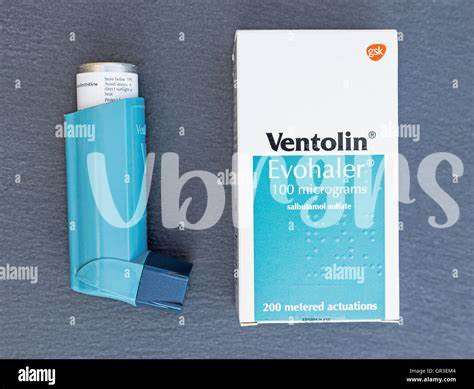
Patients often worry that frequent rescue inhaler use permanently harms airways, imagining fragile lungs after repeated puffs. Researchers, however, analyze outcomes to separate perception from physiological evidence and measurable clinical improvements.
Long-term studies show bronchodilators like ventolin inhaler relieve symptoms without causing structural lung injury when used appropriately over many years; poor control of disease, not the medication, drives decline.
Clinicians emphasize proper diagnosis and adherence, focusing on inflammation control and prevention. That approach, supported by trials, reduces harm and addresses fears with data rather than anecdotes, and ongoing follow-up.
Incorrect Inhaler Use That Causes Apparent Failure
A frantic night, breath racing, can make a lifesaving puff feel useless. Often the issue isn’t the drug but the technique: failing to shake the device, exhaling too forcefully, inhaling too quickly, or poor coordination leaves medicine in the mouth instead of the airways.
Practicing with a spacer, checking dose counters, and following stepwise instruction transforms perception. Proper use of a ventolin inhaler usually brings rapid relief; if breathlessness persists despite correct technique, seek medical review rather than assuming failure. Training videos and regular review with clinicians prevent avoidable crises.
Overuse, Tolerance, and When Dose Adjustment Helps
She reached for the ventolin inhaler night after night, relieved for minutes but worried by returning breathlessness. Frequent short-acting bronchodilator use can mask poorly controlled inflammation and create apparent loss of effect; receptors may down-regulate, making each puff less helpful. That’s not addiction but a biological response indicating asthma control needs reassessment.
Rather than simply increasing rescue doses, clinicians often suggest steroid inhalers or adjusted maintenance therapy and review adherence, triggers, and technique. A brief, structured assessment can determine whether dose escalation, adding inhaled corticosteroid, or switching delivery alters symptoms. If symptoms persist despite optimized therapy, urgent review is warranted to prevent severe attacks — using treatments guided by evidence improves long-term control and safety.
Side Effects Explained: Expectation Versus Serious Complications
Think of using a ventolin inhaler like turning on a fan: it relieves wheeze quickly. Most users notice mild tremor, a racing pulse, headache or throat irritation right after inhaling; these effects are usually transient and not dangerous.
Serious complications are uncommon but real: paradoxical bronchospasm, severe chest pain, irregular heartbeat or allergic reactions require immediate attention. If symptoms worsen or rescue doses fail to help, stop and seek emergency care.
Discuss any side effects with your clinician; correct technique, dose adjustments, and monitoring usually resolve concerns over several weeks.
| Effect | Typical Severity |
|---|---|
| Tremor, palpitations | Mild |
| Paradoxical bronchospasm | Rare/Serious |
When to Seek Emergency Care Versus Routine Follow-up
A severe attack that doesn’t ease after puffs, inability to speak, bluish lips, or confusion are red flags. Call emergency services or go to emergency department immediately; delayed care can be life threatening. If peak flow remains below your personal best, treat it as urgent.
By contrast, increasing reliance on a reliever inhaler, more frequent night symptoms, or doubts about technique call for prompt outpatient review. Routine checks can adjust controller medication, reinforce proper inhaler use, and lower future risk. Keep a written action plan and contact your care team.