

To Buy Tirzepatide Online Visit Our Pharmacy ↓

Efficacy Comparison Who Delivers Faster Deeper Weight Loss
Imagine stepping on a scale and watching pounds slip away week by week; recent trials turned that fantasy into data. Tirzepatide often produces quicker, steeper declines in body weight than semaglutide, creating excitement among clinicians and patients alike.
In head-to-head and separate phase 3 trials, tirzepatide has delivered greater mean weight loss—often exceeding 15–20% at higher doses—while semaglutide 2.4 mg generally yields near 10–15%. Differences emerge within months, with tirzepatide typically showing earlier separation.
Choice depends on tolerability, goals, and access; clinicians weigh faster, deeper loss with tirzepatide against semaglutide’s established track record and availability. Real-world adherence and side effects also shape outcomes.
| Feature | Result |
|---|---|
| Tirzepatide | Earlier and larger loss ~15–22% |
| Semaglutide | Steady loss ~10–15% |
Mechanisms Explained How Each Medication Curbs Appetite

Imagine cravings easing after a meal; gut hormone mimetics change reflex. GLP-1 receptor agonists slow gastric emptying and increase feelings of satiety.
tirzepatide pairs GLP-1 activity with GIP signaling, delivering additive appetite suppression and improved glycemic effects that support long term calorie and weight reduction.
Both agents engage hypothalamic and brainstem satiety circuits, but different receptor patterns and peripheral signals shape timing and intensity of hunger suppression.
Clinically this means smaller portions and fewer urges; individual tolerance, side effects, and metabolic needs guide whether GLP-1 drugs or tirzepatide are preferable.
Side Effect Profile Tolerability and Practical Safety Tradeoffs
Patients often report early nausea and mild gastrointestinal upset, which typically eases with time; tirzepatide can cause more pronounced nausea compared with some GLP‑1s, prompting gradual dose escalation and monitoring.
Injection site reactions and transient dizziness occur less commonly; pancreatic enzyme elevations are rare but monitored. Clinicians balance efficacy against tolerability, adjusting therapy to individual risk and follow-up plans regularly.
Real-world adherence hinges on manageable side effects and clear counseling; rare serious events require vigilance. Shared decision-making, expectation setting, and gradual titration improve long-term continuation and safety for many patients.
Dosing Routes Cost Insurance and Real World Access
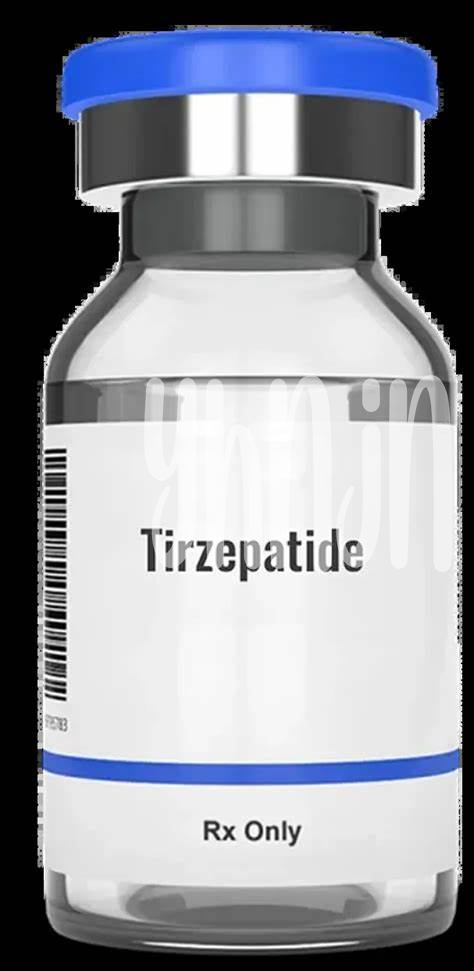
When patients first consider pharmacologic weight loss, the route of administration shapes expectations. Both options generally use subcutaneous weekly injections with structured titration to limit nausea. tirzepatide arrives in prefilled pens, simplifying home use convenience.
Titration schedules vary by agent and dose, with incremental increases over weeks to reach therapeutic levels while monitoring side effects. Training on injection technique, refrigeration and disposal is essential; clinicians prefer initial supervised clinic visits.
High retail prices place many prescriptions out of reach without coverage; monthly costs often run into hundreds or thousands depending on dose. Manufacturers offer copay cards and assistance programs, yet insurers commonly require prior authorization.
In practice, demand often outstrips supply, creating waitlists and geographic disparities. Telemedicine expands access for follow up, but cost, stigma and prescribing rules shape who receives treatment. Shared decision making helps align expectations and affordability.
Patient Selection Who Benefits Most from Each Therapy
Clinicians match treatments to goals and comorbidities, favoring GLP-1 agents for modest weight loss and tirzepatide when rapid, larger reductions are prioritized with close monitoring.
Practical profiles guide choices:
| Patient | Likely Best |
|---|---|
| Moderate obesity, GI sensitivity | GLP-1 |
| Severe obesity, diabetes risk | tirzepatide |
Shared decision-making weighs efficacy, side effects, tolerability and access; patient goals and insurance constraints drive individualized choice and realistic expectations about weight regain risk and long-term lifestyle support.
Long Term Metabolic Outcomes Maintenance and Future Research
Early trials showed dramatic weight and glucose improvements, but long-term metabolic stability depends on sustained treatment and lifestyle support. Cardiometabolic markers—A1c, triglycerides, blood pressure—tend to improve with continued use; however, stopping therapy often leads to partial regain, underscoring that these drugs act as disease-modifying yet maintenance-dependent tools rather than cures.
Ongoing and planned studies will clarify cardiovascular event reduction, ideal treatment duration, and strategies for tapering or combining agents to prevent relapse. Researchers are exploring biomarkers and behavioral supports that predict durable response, while long-term registries will track rare adverse events and real-world effectiveness across diverse populations. Cost-effectiveness and equitable access research will be crucial to translate metabolic gains into lasting public-health impact and policy.