

To Buy Symbicort inhaler Online Visit Our Pharmacy ↓

How Symbicort Helps Control Childhood Asthma Symptoms
When a child struggles to breathe between play and sleep, the right inhaled medicine can make a difference. Symbicort pairs an inhaled corticosteroid with a fast-acting bronchodilator, targeting airway inflammation and muscle tightening to ease breathing.
The steroid component reduces swelling and mucus inside small airways, lowering the frequency and severity of attacks. As inflammation subsides, daily symptoms like coughing and nighttime wakings often improve, helping kids feel more active and confident.
Formoterol acts quickly to relax tightened airway muscles, so it can ease breathlessness within minutes. This fast relief, paired with long-term inflammation control, means fewer emergencies and better tolerance of play, exercise, and sleep.
Used as prescribed with an asthma action plan, it helps families anticipate flares and adjust care. Regular follow-up lets clinicians tailor therapy, monitor growth and side effects, keeping children overall safe and breathing well.
| Component | Primary effect |
|---|---|
| Budesonide (steroid) | Reduces airway inflammation and mucus |
| Formoterol (bronchodilator) | Relaxes airway muscles; rapid relief |
Safe Age Ranges and Dosage Considerations for Kids

When our child received a symbicort inhaler prescription, the relief came with questions. Doctors typically recommend age thresholds and tailored doses — younger children may need spacer devices or alternative formulations, while teenagers often use standard metered doses under supervision to ensure safety.
Prescribers consider weight, symptom frequency, and prior steroid exposure; low-dose maintenance is common, with rescue medication kept separate. Parents should never adjust strength or frequency without a clinician’s guidance, and written action plans clarify when to step up therapy.
Ask your pediatrician to demonstrate inhaler technique and to confirm the correct dose for your child’s age group; regular follow-up reviews let providers balance benefits against possible growth effects and other side effects seriously.
Potential Side Effects Parents Should Watch for
When my neighbor's son began using a symbicort inhaler, she kept a close log of how he felt each day. Early reactions can be subtle: sore throat, hoarseness, or mild coughing after doses are common and usually temporary.
Less frequently, children can experience headaches, nausea, or jitteriness. Parents should monitor growth, oral thrush and voice changes; rinsing the mouth after inhalation reduces some risks. Keep a record and report persistent or worsening symptoms to your clinician.
Severe but rare reactions include fast heartbeat, chest pain, or breathing difficulties that don't improve. If your child shows allergic signs such as hives, swelling or severe dizziness, seek urgent evaluation immediately.
Discuss any concerns with your child's healthcare team and balance benefits with possible adverse effects. Keep emergency instructions handy, ensure proper use, and maintain routine follow up to protect your child's health.
Proper Inhaler Technique: Tips to Maximize Effectiveness
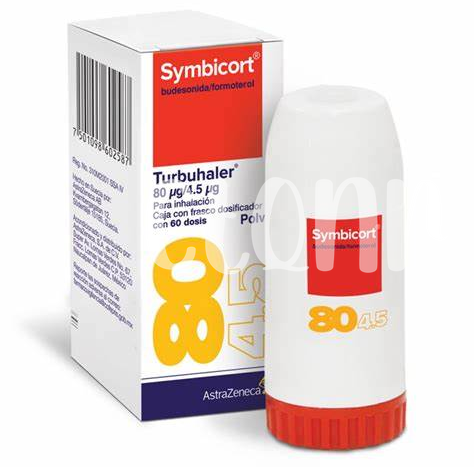
Imagine your child taking a steady, confident breath before school — that calm comes from correct technique. For the symbicort inhaler, always shake and prime if new, have your child exhale fully, then place the mouthpiece between lips with a tight seal or use a spacer with a mask for young children. Press the canister as they begin a slow, deep inhalation, then encourage them to hold their breath for about 5–10 seconds to let medication settle in the lungs.
Wait about 30 seconds between puffs and teach children to rinse and spit after use to reduce throat irritation. Keep the device clean, check the dose counter regularly, and store it away from heat. Practice technique with your child and review steps with their clinician or asthma educator — small repetitions build confidence and make each dose more reliably effective daily.
When to Seek Medical Help or Emergency Care
Late one evening a child struggles to breathe despite using rescue and controller medication, and you feel the panic setting in. Remembering the action plan can steady your hands quickly.
Contact your clinician if symptoms persist after prescribed doses, if peak flow drops, or if lips or fingernails turn blue; describe prior hospital stays and use of the symbicort inhaler.
Seek emergency care immediately for severe breathlessness, difficulty speaking, confusion, or when rescue medication gives no relief—better to act fast than wait and regret a delayed response.
| Warning sign | Action |
|---|---|
| Severe breathlessness | Go to ER |
| Blue lips or fingernails | Call emergency services |
| No relief after meds | Seek urgent care |
Lifestyle, Triggers, and Complementary Strategies to Support Treatment
At home, small changes can make a big difference: dust reduction, pet management, and regular cleaning help keep airways calm.
Encourage outdoor play when pollen counts are low and have children wash hands and change clothes after activities to limit exposure.
Teach inhaler use with fun practice, spacers, and clear routines; praise correct technique and keep rescue inhalers accessible at school.
Work with doctors to review triggers and medication plans, consider allergy testing, and pair treatment with healthy sleep, hydration, and activity. Talk openly about symptoms to spot patterns early.