

To Buy Periactin Online Visit Our Pharmacy ↓

What Periactin Is and How It Works
Imagine waking to a pulse behind your eyes and a medicine cabinet that might hold an unexpected ally. Periactin began its life as an antihistamine but attracted attention when clinicians noticed it altered serotonin pathways and appetite, hinting at neuromodulatory effects relevant to migraine prevention. Early observations suggested its ability to blunt migraine frequency, prompting further exploration beyond allergy use and offering a story of repurposing driven by clinical curiosity.
In mechanistic terms, Periactin interacts with histamine H1 receptors and has antagonistic influence at several serotonergic sites, which may modulate central pain circuits and cortical excitability linked to attacks. It’s not a one-size-fits-all solution; efficacy signals are modest and patient response variable, but for some people the drug reduced monthly attacks and improved sleep and appetite. Clinicians weigh these profiles when considering off-label preventive strategies in select patients with caution.
Clinical Trials: Evidence for Preventive Benefits
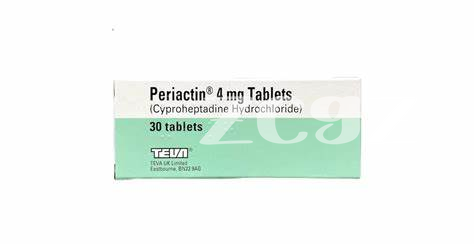
Early, small randomized and observational studies suggested periactin reduced migraine frequency and intensity, especially in children. Trials often reported fewer monthly attacks and shorter duration versus placebo or baseline, creating cautious optimism among clinicians who lacked many pediatric options.
However, most studies were underpowered, dated, and varied in design, dose, and outcome measures, and adult data remain scarce. Overall the trial evidence hints at preventive benefit but is not definitive; modern, larger randomized trials are needed to confirm efficacy and safety across age groups. Pragmatic trials would be especially valuable.
Dosing Strategies, Timing, and Practical Considerations
When considering periactin for migraine prevention, start low and go slow: many clinicians begin with 4 mg at bedtime, increasing gradually to effect while watching sedation and appetite changes. Timing matters—consistent nightly dosing often yields better tolerance and steady blood levels than erratic schedules. Carefully.
Practical tips include reviewing other medications, monitoring weight, considering baseline labs periodically, and advising caution in elderly or hepatic-impaired patients. Document response over weeks, adjust dose every two to four weeks, and set realistic expectations—benefits may take several weeks to appear and require shared decision-making.
Side Effects, Risks, and Patient Selection Tips

When considering periactin, clinicians weigh sedation and weight gain as common adverse effects; patients often report increased appetite and drowsiness, and cognition concerns.
Less typical risks include anticholinergic effects and rare cardiac concerns, prompting baseline evaluation and monitoring during treatment, especially in elderly patients.
Selection favors younger patients without obesity or sleep apnea, and those who’ve failed first-line preventives may be candidates for trial therapy after informed consent.
Shared decision making, clear counseling on expectations, and scheduled follow-ups reduce harm and improve adherence in real world use and symptom diaries.
Comparing Periactin with Established Migraine Treatments
An older antihistamine with serotonin‑blocking and antihistaminic effects, periactin contrasts sharply with modern migraine agents like triptans, CGRP monoclonal antibodies, beta‑blockers and antiepileptics. Its multimodal pharmacology suggests possible preventive benefits in some patients, but mechanisms differ from targeted therapies developed specifically for migraine biology.
Clinical trial evidence for periactin is limited and heterogeneous, whereas established treatments have robust randomized controlled trials and real‑world outcome data. Periactin may offer benefit in select cases—pediatric prevention, comorbid allergic disease, or when cost or tolerability limit options—but expected effect sizes are generally smaller and side‑effect profiles broader.
In practice, consider periactin when first‑line agents fail, are contraindicated, or when weight gain is desirable; monitor for sedation and anticholinergic effects. Discuss likely modest benefit, set clear outcome goals, and prefer guideline‑recommended treatments for most patients while reserving periactin as a niche, pragmatic individualized care alternative.
| Feature | Periactin | Established treatments |
|---|---|---|
| Evidence | Limited, older studies | Robust RCTs, guideline-backed |
| Side effects | Sedation, anticholinergic | Drug-specific, often better tolerated |
| Typical use | Niche/off-label, pediatric/allergy overlap | First-line acute and preventive options |
Real World Experiences, Off-label Use, Takeaways
Many patients describe Periactin as a surprising ally: a once-daily pill that calmed headache frequency for some and improved sleep that indirectly reduced attack severity. Results are mixed—some see clear benefit within weeks, others notice only modest change. Clinicians report particular success in people with migraine plus significant sleep or appetite disruption, while purely severe, refractory cases often need additional agents.
Because use is off-label, doctors typically start low and titrate, monitor weight and daytime drowsiness, and document shared decision-making. Combination with established preventives is common.
The takeaway: it can help selected patients, but expect side effects and limited evidence; prioritize individualized trials, clear goals, and regular reassessment until stronger data emerges and cautious optimism.