

To Buy Mounjaro Online Visit Our Pharmacy ↓

How Mounjaro and Ozempic Act Differently
In patients juggling blood sugar and appetite, these medicines feel like two different tools. One stimulates both GIP and GLP-1 receptors, boosting insulin and curbing glucagon more broadly.
The other focuses solely on GLP-1 signaling, slowing gastric emptying and enhancing insulin response after meals. This single-pathway approach still lowers glucose and suppresses appetite effectively.
Mechanistic differences shape clinical effects: dual incretin activation tends to produce greater reductions in fasting and postprandial glucose and stronger weight loss signals in trials, though responses vary.
Understanding receptor targets helps clinicians personalize therapy—balancing potency, side-effect profiles, and patient goals for glycemic control and metabolic improvement. Choice depends on comorbidities, tolerance, and treatment priorities, and shared decision making matters today.
| Receptor Target | Typical Effect |
|---|---|
| Dual GIP + GLP-1 | Greater insulin release, reduced glucagon, stronger weight signal |
| GLP-1 only | Enhanced postprandial insulin, slowed gastric emptying, appetite suppression |
Comparing Blood Sugar Control and Clinical Effectiveness
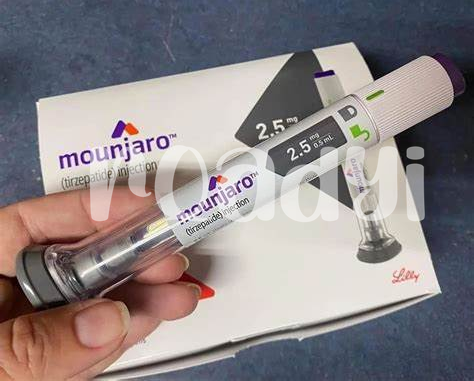
Clinicians often describe the glucose-lowering race between agents as a balance of potency and practicality. Mounjaro tends to produce sharper declines in A1c and fasting glucose in trials, while GLP-1 agonists show steady improvements with strong postprandial benefits; individual response and baseline glycemia shape outcomes.
Head-to-head studies reveal greater average A1c reductions with tirzepatide but variations exist; safety, hypoglycemia risk, and weight effects influence clinical effectiveness. Practical goals, comorbidities, and patient preference guide therapy choice, so personalized assessment determines whether mounjaro or alternatives best meet metabolic goals, long term outcomes.
Side Effects, Safety Profiles, and Tolerability
Early treatment often brings transient symptoms: nausea, headaches, or injection-site redness. Clinicians monitor responses and adjust therapy to minimize discomfort over several weeks carefully.
mounjaro has been associated with gastrointestinal effects and gallbladder issues; providers weigh benefits against individual risk factors before prescribing during follow up.
Hypoglycemia risk rises mainly when combined with insulin or sulfonylureas, so dose adjustments and patient education are essential for safe use regularly.
Long-term surveillance tracks rare but serious events; shared decision-making and tailored follow-up help patients balance efficacy, tolerability, and safety over time appropriately.
Weight Loss Potential and Metabolic Benefits Compared
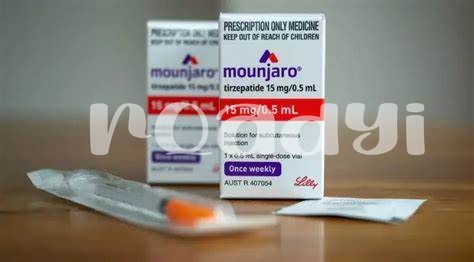
When patients ask why some drugs shrink appetites more, the answer lies in mechanisms. Mounjaro (tirzepatide) targets both GIP and GLP‑1 receptors, and in trials produced larger average weight loss than GLP‑1 agonists alone. Ozempic (semaglutide) also reduces appetite and body fat but often shows slightly less weight reduction; individual response, dose, and lifestyle still shape outcomes.
Beyond pounds lost, metabolic gains matter: both agents lower HbA1c, improve insulin sensitivity, and reduce visceral adiposity, with mounjaro showing pronounced improvements in several studies. They can also favorably affect lipids and blood pressure, though benefits vary. Choice hinges on goals, tolerability, and monitoring for side effects while maintaining diet and activity for sustained results. Also durability matters.
Dosing Schedules, Administration Differences, and Costs
Both drugs use weekly injections but differ in titration and devices. mounjaro often requires careful stepwise dose escalation and comes in a multidose pen; some patients report different injection sensations. Expectations around dosing speed and required follow‑up shape early adherence, so clinics usually coach patients on self‑injection technique.
Cost and insurance coverage also influence choice: branded tirzepatide and semaglutide can carry substantial out‑of‑pocket expenses, with prior authorization common. Financial assistance programs and pharmacist consultations help navigate copays and savings, while clinicians weigh convenience, clinical benefit, and patient preference and durability.
| Feature | Notes |
|---|---|
| Frequency | Weekly |
| Device | Pre-filled pen, injection training |
| Cost factors | Insurance, prior authorization, copay cards |
Choosing between Them: Patient Suitability and Access
When deciding between the two, consider medical profile and treatment goals. Patients with a strong need for weight reduction or greater HbA1c lowering may be steered toward the option with larger trial benefits, while those with prior pancreatitis, severe gastrointestinal disease, or a personal/family history of medullary thyroid carcinoma should avoid GLP‑1 receptor agonists. Kidney impairment, cardiovascular disease, and concomitant medications also shape the choice.
Practical factors matter: dosing frequency, needle size, and ease of titration affect adherence. Some people prefer weekly dosing and simpler titration; others tolerate stepwise increases better. Side effect history—particularly nausea or vomiting—can guide starting dose and escalation pace. Shared decision-making with clear expectations improves persistence and outcomes.
Access and cost often determine real-world use. Insurance, prior authorization, copays, and assistance programs affect availability; clinicians must weigh benefits, safety, and affordability for each patient and treatment preferences.