

To Buy Mobic Online Visit Our Pharmacy ↓

How Mobic Mechanism Differs from Competitors
When patients ask why one pain pill feels different, Mobic’s story starts at a molecular crossroads. Unlike broad-spectrum rivals, it leans toward COX-2, a tissue-specific enzyme tied to inflammation. That targeted tendency shapes both benefits and trade-offs clinicians weigh every day.
Biochemically, meloxicam binds cyclooxygenase with greater affinity for COX-2 than COX-1, reducing prostaglandin synthesis in inflamed tissues while sparing some gastric and platelet-protective pathways. Competitors like ibuprofen or naproxen inhibit both COX isoforms more evenly, which explains quicker analgesia in some cases but also higher gastrointestinal and bleeding risk.
Clinically this means Mobic may suit patients needing sustained anti-inflammatory effect with potentially reduced gastrointestinal harm, especially at low doses. Decision-making balances pain control, cardiovascular profile, comorbidities and patient preference over immediate potency and long-term tolerability considerations too.
| Feature | Mobic | Others |
|---|---|---|
| COX selectivity | Preferential COX-2 | Nonselective |
| GI risk | Lower | Higher |
Comparing Effectiveness for Pain Relief and Inflammation
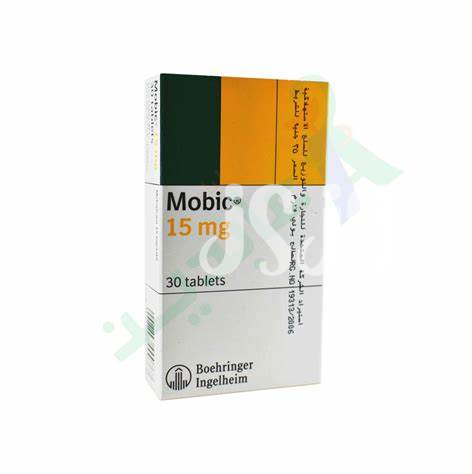
Clinicians and patients often weigh speed of relief against durability; mobic tends to offer steady, sustained pain reduction rather than the rapid knockdown of shorter-acting NSAIDs. Clinical trials generally show meloxicam produces comparable reductions in pain and inflammatory markers to ibuprofen, naproxen, or diclofenac, although individual response varies. Its partial COX‑2 selectivity can translate into fewer upper‑GI symptoms for some patients, without a dramatic loss of anti‑inflammatory effect.
Choice often comes down to condition and tolerance: for acute, high-intensity pain a faster-acting agent may feel superior, while for chronic osteoarthritis or rheumatoid arthritis, mobic’s once-daily dosing and anti-inflammatory action favor adherence and symptom control. Shared decision-making should consider efficacy, side‑effect risk, comorbidities, and prior response.
Side Effect Profiles Safety Risks Compared Head to Head
When I first tried mobic, I noticed its gentler stomach reputation compared with older NSAIDs, and that anecdote reflects clinical trends: meloxicam tends to spare COX‑1 at lower doses, reducing gastric irritation relative to nonselective agents like ibuprofen or naproxen. But no NSAID is without risk.
Cardiovascular and renal risks present a different balance. Naproxen may carry lower thrombotic risk than selective COX‑2 inhibitors, while meloxicam’s intermediate selectivity leaves a modest cardiovascular risk similar to many nonselective drugs. All NSAIDs can impair renal function or exacerbate hypertension, especially with diuretics or in dehydration.
Clinicians weigh patient age, GI history, cardiovascular profile and concomitant medications when choosing therapy; gastroprotection, lowest effective dose and monitoring can mitigate harms. Ultimately, individual preferences and risk tolerance guide whether mobic or an alternative is preferable. Shared decision-making improves adherence and safety outcomes for many older patients.
Dosing Convenience Interactions and Long Term Considerations
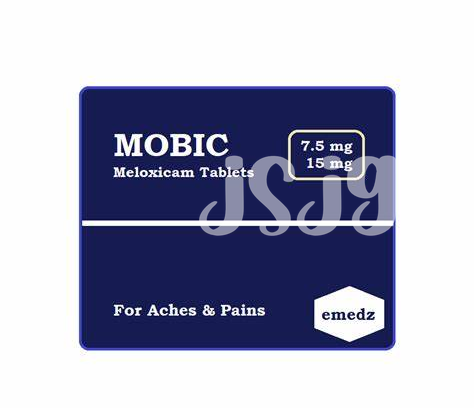
A patient’s daily routine often decides which NSAID fits best; mobic’s once-daily dosing can simplify adherence compared with shorter-acting alternatives that require multiple doses. Its predictable pharmacokinetics reduce missed-dose complexity, but clinicians must weigh drug interactions—especially with anticoagulants, ACE inhibitors, and some SSRIs—that can amplify bleeding or renal risks.
Long-term use raises different stakes: monitoring blood pressure, renal function, and gastrointestinal symptoms is essential, and the lowest effective dose for the shortest duration remains standard advice. For chronic conditions, shared decision-making balances symptom control against cumulative cardiovascular and GI risks; some patients tolerate mobic better, while others need alternative COX-2 selective agents or topical options to minimize systemic exposure, and periodic reassessment is vital annually.
Cost Availability and Patient Preference Insights
Patients often weigh price and pharmacy availability alongside effectiveness. Generic meloxicam usually undercuts brand prices, making mobic less chosen financially; insurance coverage and copays shape decisions. Local pharmacy stock and mail-order options can make an expensive drug practical or impractical for long-term use.
Patient preference also reflects dosing schedules, perceived side effects, and clinician guidance. Once-daily dosing or perceived safety can tilt choices toward meloxicam for convenience, while cost-sensitive patients or those lacking coverage often opt for cheaper NSAIDs. Shared decision-making helps align treatment with lifestyle, budget, and personal values.
| Factor | Impact |
|---|---|
| Price | Generics often cheaper |
| Availability | Local stock or mail-order options |
| Insurance | Copays and formulary determine access |
Clinical Guidelines and When to Choose Which
Physicians often weigh cardiovascular, gastrointestinal and renal risks when selecting meloxicam versus traditional NSAIDs. For osteoarthritis and chronic pain many guidelines favor lower COX-2 selective agents in patients at higher GI risk, while recommending nonselective options for short-term acute pain in otherwise healthy adults.
Shared decision-making is emphasized: consider age, comorbidities, concurrent anticoagulant use, and NSAID tolerability history. Trial periods with the lowest effective dose and regular monitoring of blood pressure and renal function are practical safeguards adopted across societies.
In practice, meloxicam may be preferred for long-term management when GI protection is a priority, but alternatives with shorter half-lives offer faster discontinuation for perioperative settings or acute flares. Patient preference, cost, and formulary availability also shape choice; when risks are comparable, simplicity and adherence often tip the balance toward the most tolerable option through informed clinician and patient conversations.