

To Buy Lariam Online Visit Our Pharmacy ↓

Overview of Common Malaria Medications
Malaria, an often deadly disease, has led to the development of various potent medications aimed at its prevention and treatment. Among the most notable are chloroquine, doxycycline, Malarone, and Lariam. Each of these medications has its distinct mechanisms and specific recommendations for use. Chloroquine, although quite effective, has seen a decline in use due to widespread resistance. Doxycycline, an antibiotic, is favored for its dual action on malaria and other bacterial infections. Malarone, combining atovaquone and proguanil, is praised for its fewer side effects and shorter dosage requirement.
| Medication | Active Ingredient(s) | Common Use |
|---|---|---|
| Chloroquine | Chloroquine phosphate | Regions without resistance |
| Doxycycline | Doxycycline | Multi-purpose antibiotic |
| Malarone | Atovaquone/Proguanil | Shorter trips, fewer side effects |
| Lariam | Mefloquine | Effective in resistant regions |
In regions with multi-drug-resistant malaria, Lariam (mefloquine) is often prescribed due to its high efficacy. The choice between these medications typically depends on the individual's health, travel region, and tolerance to potential side effects.
How Lariam Works Compared to Other Treatments
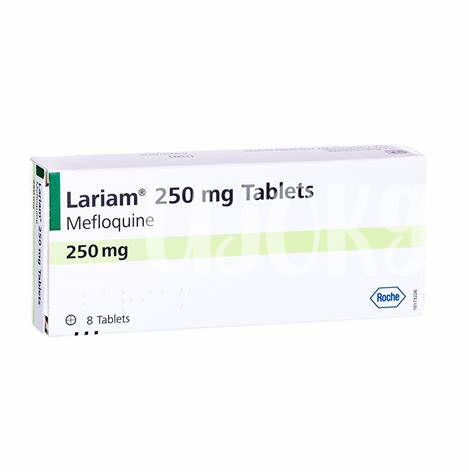
Lariam, also known as mefloquine, operates by interfering with the parasite’s ability to digest hemoglobin, a vital process for its survival. Unlike chloroquine, which disrupts the parasite's DNA synthesis, or doxycycline, which hampers protein production in the malaria parasite, Lariam targets the parasite at multiple stages of its lifecycle. This multi-stage approach makes Lariam a versatile option, although it requires precise medical supervision due to its distinct pharmacological action.
When compared to artemisinin-based combination therapies (ACTs), Lariam's mechanism stands out for its efficiency in preventing malaria from developing in red blood cells. In contrast, ACTs function by rapidly reducing the number of parasites in the blood, offering quick relief. Moreover, Lariam is typically taken weekly, whereas other medications, like doxycycline and Malarone, need daily administration, which can influence patient compliance and overall treatment success. Lariam’s unique working method, therefore, provides both strengths and considerations in malaria prevention and treatment.
Efficacy Rates of Lariam Vs. Alternatives
When evaluating antimalarial treatments, the efficacy of Lariam (mefloquine) as compared to other medications is crucial. Studies suggest that Lariam offers high efficacy rates, often comparable to or exceeding those of alternatives like doxycycline and atovaquone-proguanil. However, the effectiveness of these treatments can vary based on geographic region due to differences in malaria strains.
In some regions, Lariam has proven to be exceptionally effective, achieving cure rates upwards of 90%. Conversely, other medications like chloroquine have seen declining efficacy in areas with resistant malaria strains. For patients traveling to high-risk regions, the robust efficacy of Lariam makes it a compelling choice.
Despite its efficacy, patient adherence is another factor. The convenience of a weekly dose with Lariam contrasts with daily regimens of other treatments, potentially impacting overall effectiveness. Ultimately, while Lariam stands out for its high success rates, individual patient needs and regional resistance patterns should guide the choice of antimalarial medication.
Side Effects: Lariam and Other Options
When evaluating the side effects of Lariam, also known as mefloquine, some users report vivid dreams, insomnia, and psychological symptoms such as anxiety and depression. While these side effects can be alarming, they are relatively uncommon. On the other hand, medications like doxycycline are more likely to cause gastrointestinal distress and increased sensitivity to sunlight.
Malarone, a combination of atovaquone and proguanil, is often well-tolerated but can lead to mild headaches and stomach issues for some individuals. Unlike Lariam, which is taken weekly, both doxycycline and Malarone require daily dosing, which can influence a patient's choice based on convenience and compliance.
Understanding these variances is crucial for anyone preparing to travel to malaria-prone regions. It's important to weigh the benefits and potential drawbacks of each medication to make an informed decision about malaria prophylaxis.
Usage Guidelines: Lariam Versus Other Medications
When considering antimalarial medications, Lariam (mefloquine) requires strict adherence to usage guidelines to ensure efficacy and minimize adverse effects. Lariam is typically taken once a week, starting one to two weeks before travel and continuing for four weeks after leaving a malarial area. In contrast, alternatives like doxycycline and atovaquone/proguanil need daily dosing, which may be less convenient for travelers.
| Medication | Dosage | Start Before Travel | Continue After Travel |
|---|---|---|---|
| Lariam | Weekly | 1-2 weeks | 4 weeks |
| Doxycycline | Daily | 1-2 days | 4 weeks |
| Atovaquone/Proguanil | Daily | 1-2 days | 1 week |
Differences in preparation time and post-travel continuation underscore the importance of understanding each medication's specific requirements. For instance, atovaquone/proguanil necessitates only a week of post-travel use, appealing to those seeking a shorter commitment. Each option's regime impacts user convenience and compliance, which are critical for effective malaria prevention.
Patient Testimonials and Real-world Comparisons
Many patients have shared their experiences with Lariam, revealing a wide range of responses. For example, Sarah, a frequent traveler to Africa, found Lariam to be effective but had to manage vivid dreams and occasional dizziness. In contrast, Mark, who used Malarone, reported fewer side effects but noted the need for a daily dose.
Real-world comparisons highlight that Lariam’s weekly dosage can be more convenient for long trips, but its side effects may deter some users. Meanwhile, other medications like Doxycycline and Malarone offer different benefit-risk balances, underscoring the importance of individual preference and medical advice.