

To Buy Colchicine Online Visit Our Pharmacy ↓

From Gout Pill to Heart Protector: Mechanisms
Once a humble gout remedy, colchicine has been reimagined for cardiovascular care, sparking curiosity and trials. Physicians observe rapid symptom benefits and researchers probe long-term outcomes.
At molecular level it binds tubulin, disrupting microtubule dynamics and impairing inflammasome assembly, notably NLRP3.
That reduces IL-1β and IL-18 release, inhibits neutrophil chemotaxis, and stabilizes endothelial responses that drive atherothrombosis.
Low-dose regimens leverage these anti-inflammatory effects without broad immunosuppression, offering a mechanistically distinct strategy to curb vascular inflammation and modulate severe viral hyperinflammation. Ongoing randomized trials will clarify who benefits most clinically worldwide.
| Mechanism | Effect |
|---|---|
| Tubulin binding | Microtubule disruption |
| NLRP3 inhibition | Reduced IL-1β/IL-18 |
Centuries of Use: Colchicine’s Pharmacology and History
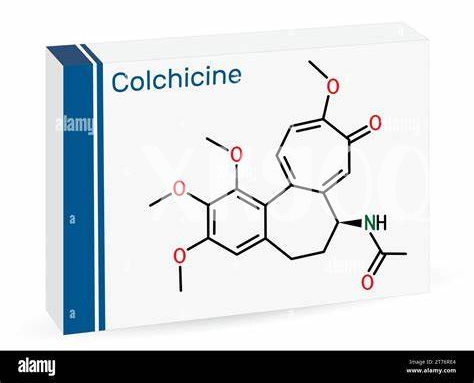
From classical herbal remedies to modern pharmacology, colchicine’s story reads like a medical detective novel. Ancient physicians used autumn crocus extracts for gout and swelling; Renaissance herbals praised its potency despite toxicity. In the 19th century chemists isolated and synthesized the alkaloid, enabling controlled dosing and systematic study. That transition—from folk remedy to purified drug—set the stage for rigorous trials and curious clinicians to explore wider anti-inflammatory applications beyond gout.
Pharmacologically, colchicine binds tubulin and disrupts microtubule assembly, blunting neutrophil migration and inflammasome activation—a mechanism now invoked to reduce vascular inflammation. Low-dose regimens exploit these effects while minimizing toxicity, but the drug’s narrow therapeutic window demands attention to CYP3A4 and P-glycoprotein interactions, and to renal or hepatic impairment. This complex pharmacology explains both its enduring usefulness and why clinical trials have guided contemporary repurposing efforts in cardiology and infectious disease.
Landmark Cardiovascular Trials: Design, Results, Clinical Impact
Large randomized trials tested low dose colchicine as an anti inflammatory strategy for secondary prevention after heart attacks and in stable coronary disease. These placebo controlled studies enrolled thousands of patients, used composite ischemic endpoints such as heart attack stroke and cardiovascular death, and followed participants for months to years to assess event reduction.
Results showed modest but meaningful reductions in composite ischemic outcomes driven mainly by fewer heart attacks and strokes, with consistent effects in several trials though not universally identical. The clinical impact has been to prompt guideline discussion and selective adoption for high risk patients after weighing benefits risks and interactions, highlighting colchicine as a low cost oral adjunct to cardiovascular therapy.
Covid-19 Clinical Trials: Conflicting Data and Insights

In the scramble to find therapies, colchicine attracted attention for its anti‑inflammatory and NLRP3‑inflammasome effects; early, small studies hinted at reduced progression and hospitalizations, creating cautious optimism. However, subsequent larger and better‑controlled trials produced mixed results: some demonstrated modest reductions in inflammatory markers or composite endpoints in outpatients, while trials in hospitalized populations largely failed to show meaningful mortality or ventilator‑free survival benefits.
These discrepancies reflect differences in timing (early versus late disease), dosing regimens, patient selection, and endpoint choice, as well as variable statistical power and evolving standards of care. The net insight is pragmatic: colchicine may help selected high‑risk outpatients, but routine use in hospitalized COVID‑19 remains unsupported without further targeted, well‑powered definitive trials to identify beneficiaries. Pragmatic meta‑analyses and individual patient data will be essential to resolve heterogeneity and guide evidence‑based recommendations for clinicians and policymakers globally.
Safety Profile, Drug Interactions and Practical Dosing
A clear-eyed approach helps balance benefit and harm: colchicine commonly causes gastrointestinal upset and, less often, neutropenia or myopathy. Monitoring symptoms and blood counts during therapy, especially in older patients or those with renal or hepatic impairment, reduces risk. Dose reductions and temporary holds can prevent serious toxicity while preserving anti-inflammatory effect.
| Issue | Risk/Management |
|---|---|
| Gastrointestinal | Common; 0.5 mg once or twice daily |
| Drug interactions | Avoid strong CYP3A4 or P-gp inhibitors (clarithromycin, protease inhibitors) |
| Myopathy/Neutropenia | Monitor CBC and CK; reduce dose in renal impairment |
Check interactions (CYP3A4, P-gp), adjust for renal function, and counsel patients about toxicity. Used judiciously, colchicine is a low-cost adjunct; vigilance maintains safety. Reduce dose in elderly patients and severe renal impairment.
Regulatory Hurdles, Repurposing Strategy and Future Trials
Navigating approval pathways demands robust phase III evidence and clear endpoints; agencies weigh cardiovascular benefit against established indications, requiring quality data and rigorous postmarketing surveillance.
A pragmatic repurposing strategy pairs adaptive trial designs, biomarker-driven cohorts, and real-world data to accelerate signal detection while controlling for heterogeneity in patient populations.
Future studies should focus on optimal dosing, long-term safety, and interaction profiles across polypharmacy contexts; coordinated international consortia can share protocols and harmonize endpoints to generate definitive, generalizable guidance for clinicians and regulators and cost-effectiveness analyses to inform policy and reimbursement.