

To Buy Cleocin Online Visit Our Pharmacy ↓

How Cleocin Fights Acne: Mechanism Explained Clearly
A familiar antibiotic, Cleocin targets acne by reaching pores where bacteria thrive. It binds bacterial ribosomes and halts protein production, weakening Cutibacterium acnes and curbing lesions.
Beyond direct antibacterial action, it modulates immune signals that drive inflammation, so bumps become less red and painful. Many patients report smoother tone before lesion count drops.
Dermatologists note topical formulations concentrate medication at problem sites, minimizing systemic exposure. Oral therapy treats deeper or widespread disease but requires monitoring and shorter courses.
Framing the mechanism this way helps patients understand why results take weeks and why combined therapies often work best.
| Action | Effect |
|---|---|
| Ribosomal binding | Stops bacterial growth |
| Anti inflammatory response | Reduces redness swelling |
| Topical concentration | Limits systemic exposure |
Real-world Effectiveness: Studies and Dermatologist Experiences
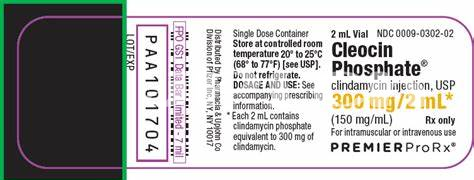
Patients often report quicker calming of inflamed pimples when cleocin is part of their regimen, a pattern many dermatologists observe in practice. They often highlight reduced redness and pain alongside fewer new lesions, with consistent use typically.
Clinical studies show modest reductions in lesion counts versus placebo, especially for inflammatory acne, though individual results vary.
Dermatologists stress combining topical or oral antibiotics with benzoyl peroxide or retinoids to boost outcomes and limit resistance.
Real-world follow ups emphasize short courses, monitoring for improvement within weeks, and switching strategies if progress stalls.
Proper Application and Dosing Tips Dermatologists Recommend
I remember my first prescription: the dermatologist advised a thin layer at night, not thick smears. Keep fingernails short to avoid irritation.
Apply to clean, dry skin and wait before other products; gel or lotion forms absorb best for many patients. Use sunscreen during daytime as treated skin can be sensitive.
Typical dosing is once daily for topical cleocin; follow your prescriber on duration—often 6–12 weeks—and reassess progress.
Report irritation or spread of redness; combine with benzoyl peroxide occasionally to reduce resistance, but consult first. Keep follow-up appointments; monitor changes.
Common Side Effects and How to Manage Them
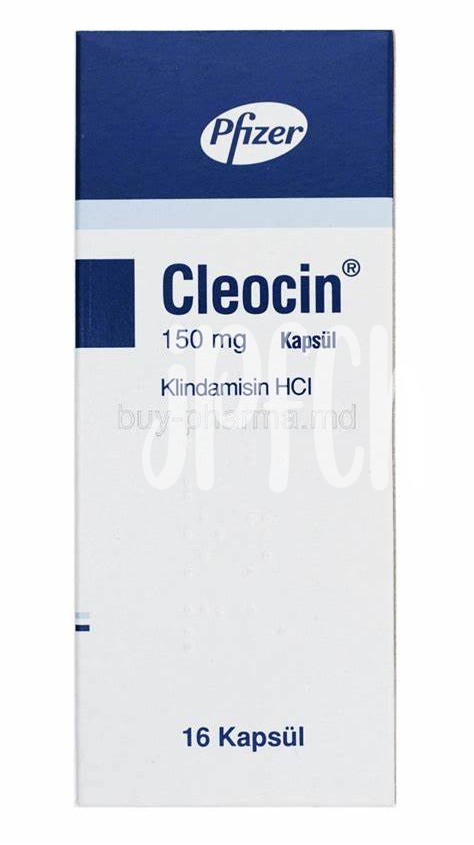
Many people using cleocin notice dryness, stinging, or flaking as skin adapts. Topical irritation or redness is common; oral clindamycin can cause nausea or loose stools.
To manage effects, use a gentle, fragrance-free cleanser and non-comedogenic moisturizer every morning. If irritation occurs, cut use to alternate nights and avoid combining other drying agents without dermatologist advice.
For oral treatment, watch for persistent diarrhea and report severe symptoms immediately, since clindamycin can rarely trigger C. difficile. Taking pills with food often reduces nausea; discuss probiotics with your clinician.
Seek medical help for hives, widespread rash, facial swelling, or breathing trouble, or if diarrhea persists. Your dermatologist can switch therapies or adjust dosing to minimize side effects.
Antibiotic Resistance Concerns and Safer Long-term Strategies
I watched a patient’s confidence return as pimples faded, but clinicians caution about overusing cleocin. Short courses can help, yet resistance risks shape long-term choices.
Studies show topical clindamycin reduces lesion counts, but bacteria adapt. Dermatologists favor combining antibiotics with benzoyl peroxide to lower resistance by disrupting bacterial survival and resistance gene transfer.
| Risk | Tip |
|---|
For chronic cases, experts recommend limiting antibiotic duration, rotating therapies, and prioritizing non-antibiotic options like retinoids, azelaic acid, and light-based treatments to sustain results without breeding resistant strains.
Practical plan: document baseline acne, set a finite antibiotic window, add adjunctive therapies, and reassess regularly — a proactive roadmap that protects effectiveness for years. Always ask your dermatologist about safer alternatives.
Comparing Cleocin to Other Acne Treatments: Dermatologist Insights
Clinicians portray Cleocin as a focused treatment for inflamed pimples: topical clindamycin cuts bacteria and inflammation, often yielding quicker calming than many non-antibiotic options. It’s particularly useful for inflammatory lesions but commonly combined with other agents to improve acne control and reduce relapse over time.
Dermatologists warn about resistance, so Cleocin is often used with benzoyl peroxide to lower bacterial survival. For mixed acne they favor topical retinoids for clogged pores, reserving systemic antibiotics or isotretinoin for extensive disease. Short courses, combination therapy, and individualized plans remain standard practice today.