

To Buy Bupropion Online Visit Our Pharmacy ↓

Recognizing Early Withdrawal Symptoms and Red Flags
The first days after stopping bupropion can feel surprisingly sharp. Many people describe jolts of dizziness, flu-like aches, or sudden fatigue that arrive without warning. These early sensations often signal the brain adjusting to lower stimulation.
Mood can shift quickly: irritability, tearfulness, or a hollowed low mood may appear within 24 to 72 hours. Sleep disruption and vivid dreams are common; some notice anxiety spikes or trouble concentrating.
Watch for warning signs that need prompt attention: severe suicidal thoughts, extreme confusion, persistent vomiting, or loss of coordination. If physical symptoms persist or worsen beyond a week, seek medical advice.
Keeping a diary of symptom timing helps distinguish normal adjustment from complications. Share notes with your clinician and a trusted friend; early communication shortens recovery and improves safety. Medication taper plans often reduce intensity, so discuss any schedule changes before stopping.
| Symptom | Suggested Action |
|---|---|
| Dizziness | Rest, hydrate |
| Severe mood change | Contact provider |
Why Bupropion Disrupts Brain Chemistry and Mood
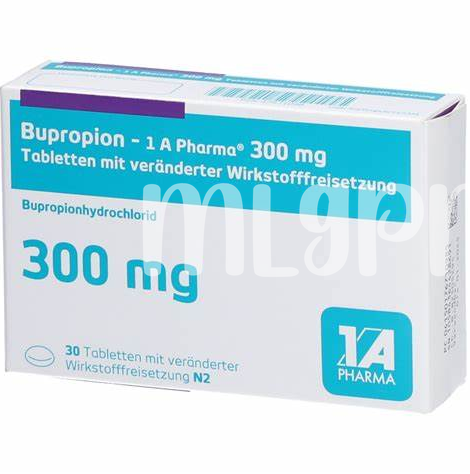
Stopping bupropion can feel like the electricity in a bustling room suddenly cut. The drug raises dopamine and norepinephrine levels by blocking their reuptake and alters nicotinic receptors; when it’s removed, the brain's adapted balance shifts quickly, and signals that supported motivation and focus fall short.
Neurons compensate during treatment, changing receptor sensitivity and neurotransmitter production to the drug’s steady presence, so withdrawal unmasks deficits: low dopamine can cause apathy and anhedonia, reduced norepinephrine fuels fatigue and poor concentration. Individual metabolism, dose, and duration shape symptom severity and timing.
Half-life and formulation matter: extended-release bupropion tapers differently than immediate-release, affecting when neurotransmitter levels fall. Psychological effects can persist as the brain readjusts receptors and signaling pathways, so recognizing the biological basis of mood changes helps patients and clinicians plan gradual tapering and targeted support during recovery.
Timeline: What to Expect Week by Week
After stopping bupropion, many people feel anxious and foggy within days; sleep can shift and energy can dip, setting the stage for the first fragile week of adjustment and uncertainty.
By week two, physical withdrawal often peaks: headaches, irritability and mood swings may intensify while concentration struggles continue; some relief starts as the brain slowly recalibrates neurotransmitter balance and resilience.
During weeks three and four, mood often steadies; sleep normalizes for many, appetite returns, and cognitive clarity improves, though intermittent low days remind you recovery is gradual, not linear yet.
After a month, most see steady gains, but residual symptoms can persist; track patterns, celebrate progress, and expect gradual consolidation of wellbeing in subsequent weeks.
Coping Strategies: Managing Symptoms Day to Day

Morning felt heavy after stopping bupropion, yet rituals lent steadiness: short walks, consistent sleep times, breathing exercises anchored mood swings. Tracking symptoms in a journal turns chaos into clues, helping identify triggers and patterns so you can adjust activity and social contact before discomfort escalates.
Simple tools soothe daily strain: set goals, use timers to break tasks into pieces, prioritize nourishing meals and hydration, limit caffeine and alcohol. Lean on friends or support groups, try mindfulness or gentle yoga, and consult your prescriber if distress, suicidality, or worsening symptoms occur.
Medical Support: When to Seek Professional Help
If withdrawal feels overwhelming, trust your instincts: severe anxiety, suicidal thoughts, or unmanageable insomnia are clear reasons to contact a provider. bupropion tapering complications can escalate quickly.
| Sign | Action |
|---|---|
| Severe mood change | Contact clinician |
Don't stop medication suddenly; call your prescriber for tailored taper advice, dose adjustment, or switch to alternatives. If mood worsens or new self-harm ideas emerge, use emergency services or crisis hotlines immediately. Arrange follow-up within days, involve family when safe, and document symptoms to help clinicians guide recovery and reduce relapse risk. Seek psychiatric assessment promptly.
Long-term Recovery: Preventing Relapse and Re-emergence
Recovery is rarely linear; months after stopping bupropion you may face emotional flickers and cravings that feel like old patterns calling. Building routines—sleep hygiene, steady exercise, and nutritional stability—rebuilds resilience and reduces susceptibility to mood dips.
Psychological tools matter: therapy, relapse prevention planning, and mindfulness help identify early warning signs and interrupt escalation. Keeping regular follow-ups with a prescriber and tracking mood or triggers with a journal creates objective feedback to guide adjustments.
Social supports and purpose provide long-term ballast: peer groups, trusted friends, and meaningful activities prevent isolation that can precipitate return of symptoms. If concerning symptoms recur, prompt medical review can clarify whether reinstating medication, adjusting therapies, or targeted interventions are needed. Developing a written plan for stress, sleep setbacks, and medication decisions reduces panic and supports measured choices during rough patches. PubMed Central review MedlinePlus drug information