

To Buy Ampicillin Online Visit Our Pharmacy ↓

Chemical Structures and Mechanisms: What Sets Them Apart
Both drugs share the classic penicillin scaffold — a strained beta‑lactam ring fused to a thiazolidine ring — essential for binding penicillin‑binding proteins and blocking peptidoglycan cross‑linking, which triggers bacterial lysis. What sets them apart is a small side‑chain modification: amoxicillin carries an additional hydroxyl group that improves acid stability and oral absorption, whereas ampicillin lacks that hydroxyl and is slightly less bioavailable but retains similar antibacterial potency in practice.
Mechanistically both inhibit penicillin‑binding proteins, preventing cell wall cross‑linking and causing osmotic failure. Their shared vulnerability to beta‑lactamases means resistance can be common, so combinations with beta‑lactamase inhibitors extend coverage. The extra hydroxyl in amoxicillin modestly increases intestinal uptake and allows lower doses with reliable serum levels, while ampicillin’s physicochemical profile favors parenteral and urinary uses. Understanding this chemistry helps clinicians match drug choice to infection site and patient needs.
| Feature | Ampicillin | Amoxicillin |
|---|---|---|
| Side chain | No para‑hydroxyl | Para‑hydroxyl present |
| Oral bioavailability | Lower | Higher |
| Typical routes | IV/IM and oral (less reliable) | Oral (preferred) and IV |
Spectrum of Activity: Bacteria They Effectively Target
Imagine a microscopic battlefield where two cousins, ampicillin and amoxicillin, face bacterial foes. Both belong to the aminopenicillin class and mainly target gram positive cocci such as streptococci and non beta lactamase producing staphylococci, while also covering certain gram negative rods.
Ampicillin has stronger activity against enterococci and Listeria monocytogenes, making it a preferred choice in specific infections like neonatal meningitis and Listeria bacteremia. Amoxicillin is favored orally for respiratory pathogens due to better absorption and tolerability.
Neither reliably covers beta lactamase producing organisms for example many H influenzae, Moraxella, and beta lactamase producing E coli unless combined with inhibitors such as clavulanate. Anaerobic coverage is limited and often requires alternative agents or combinations.
Clinicians choose between them based on pathogen susceptibility, infection site, and patient factors; oral versus intravenous use, severity, and local resistance patterns dictate the optimal agent.
Dosage Forms and Administration: Tablets Versus Injectables
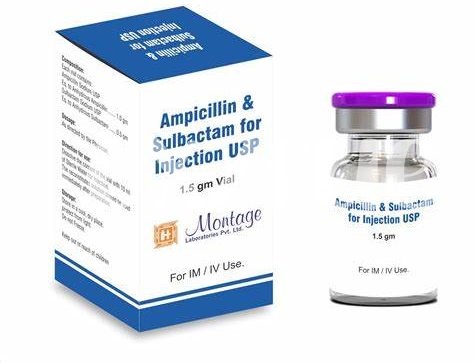
Clinicians often picture two distinct routes when reaching for a penicillin-class drug: a small oral tablet for at-home convenience or an injectable vial for urgent, controlled dosing. Oral formulations prioritize patient comfort and adherence, with amoxicillin typically favored for its bioavailability, while ampicillin tablets are less common; injectables, whether intramuscular or intravenous, deliver rapid, predictable blood levels and are chosen when absorption is uncertain or severe infections demand immediate action.
Administration schedules differ: oral dosing suits outpatient therapy with twice- or thrice-daily regimens based on drug half-life, whereas IV/IM routes allow higher peak concentrations and flexible dosing in hospitals. Preparation and storage vary — tablets are stable at room temperature, injectables require sterile technique and refrigeration — affecting logistics and cost. Patient factors like vomiting, malabsorption, or need for rapid bactericidal activity guide the clinician's choice in emergency clinical settings.
Pharmacokinetics: Absorption, Distribution, Metabolism, and Elimination

Morning sunlight finds medicine traveling from mouth to bloodstream; oral ampicillin is variably absorbed, often influenced by gastric acidity and food; intravenous administration achieves rapid plasma peaks for urgent bactericidal effect. Clinicians tailor dosing accordingly.
After absorption, distribution varies by tissue permeability; ampicillin distributes well into urine, sputum, and inflamed tissues, but cerebrospinal fluid penetration is limited unless meninges are inflamed, altering effective concentrations at infection sites in certain patients.
Metabolism is minimal for many beta-lactams; renal excretion predominates via glomerular filtration and tubular secretion, producing short half-lives that necessitate frequent dosing, with adjustments required in renal impairment to avoid accumulation and preserve therapeutic effects.
Clinicians monitor renal function, dosing intervals, and clinical response; neonates and elderly have prolonged elimination and may need lower doses, while pregnancy requires careful selection, balancing maternal benefit against potential fetal exposure risk and monitoring.
Side Effects and Safety: Comparing Common Adverse Reactions
A sudden rash or stomach upset can turn a routine prescription into an anxious moment; for many patients, ampicillin carries familiar gastrointestinal complaints like diarrhea and nausea. Side-effect profiles influence antibiotic choice.
Allergic reactions range from mild urticaria to rare but serious anaphylaxis, so clinicians screen histories carefully and advise immediate care if breathing changes occur. Pregnancy considerations may alter selection.
Less commonly, hepatic enzyme elevations or antibiotic-associated colitis appear; monitoring is prudent during prolonged therapy or when multi-drug regimens are used. Reports of Stevens-Johnson syndrome are rare.
Balancing efficacy against risk involves dose adjustment for renal impairment, vigilance for superinfection, and educating patients about signs that warrant follow-up. Clinicians weigh benefit versus risk carefully.
Clinical Uses: Choosing between Infections and Patient Factors
When selecting between ampicillin and amoxicillin clinicians weigh infection type and severity. Amoxicillin’s excellent oral absorption makes it ideal for outpatient respiratory, sinus, and otitis media infections, while ampicillin’s intravenous form suits hospitalized patients with serious systemic infections such as enterococcal bacteremia, neonatal sepsis, and Listeria meningitis. Both target many gram-positive organisms, but dosing, route, and need for parenteral therapy guide choice.
Patient factors—age, pregnancy, renal function, and allergy history—further shape decisions. Pregnant women and neonates often receive ampicillin when Listeria or group B streptococcus are concerns. Renal impairment requires dose adjustments for either drug. When beta-lactam allergy exists, alternatives are preferred. Thoughtful selection balances microbiology, pharmacology, and individual circumstance, and resistance patterns, to optimize outcomes.