

To Buy Zanaflex Online Visit Our Pharmacy ↓

Mechanisms of Action: Zanaflex Versus Baclofen
Teh narrative begins with two familiar muscle relaxants, each quieting overactive motor circuits but by distinct routes: one harnesses spinal alpha-2 adrenergic inhibition while the other mimics GABA-B signaling to directly dampen motoneuron output effect.
At cellular level, tizanidine activates presynaptic alpha-2 receptors reducing excitatory neurotransmitter release, whereas baclofen engages postsynaptic GABA-B receptors to increase potassium conductance and hyperpolarize neurons.
| Tizanidine | Baclofen |
|---|
Functionally, tizanidine preferentially suppresses polysynaptic reflex facilitation, yielding pronounced effect on spasticity with modest motor weakness; baclofen's postsynaptic hyperpolarization produces stronger muscle relaxation but may cause more profound sedation and influence functional rehabilitation outcomes differently.
Clinicians thus match mechanism to patient needs: tizanidine favors neurogenic spasticity with rapid but shorter action, while baclofen suits sustained spasm control; understanding these receptor-level differences helps tailor therapy and monitor tolerability and improve outcomes.
Clinical Uses and Effectiveness: Choosing the Right One
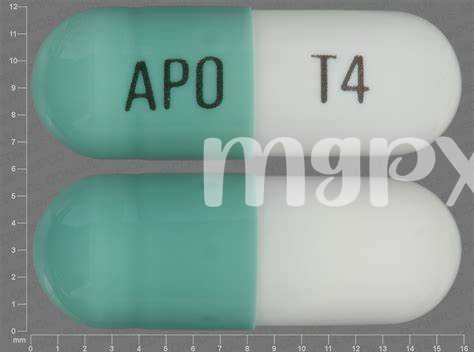
When patients present with painful spasms, clinicians balance onset, duration, comorbidities, and patient goals. The emotional impact and functional goals matter too.
zanaflex tends to act faster and is useful for acute episodes, whereas baclofen provides steadier control for chronic spasticity. Patient age and concurrent medications influence choice.
Trials show zanaflex reduces tone quickly but causes more sedation; baclofen suits long-term management and can be given intrathecally when oral therapy is neccessary.
Ultimately, tolerability, side-effect profiles, and patient preference guide recomendations; shared decision-making yields the best outcomes, cost and access.
Side Effects and Safety Profiles Compared Head-to-head
When patients describe their first week on zanaflex, many mention a druggy haze and dry mouth. Clinicians hear similar reports for baclofen, but often note greater muscle weakness and somnolence with baclofen compared with tizanidine.
Serious adverse events diverge: tizanidine can elevate liver enzymes and causes hypotension, especially with CYP1A2 inhibitors; baclofen is renally excreted, so accumulation and respiratory depression can occur in renal failure, making monitoring crucial and education.
Withdrawal risks shape safety choices: baclofen can produce severe rebound spasticity, confusion, even seizures if stopped abruptly; Occassionally severe withdrawal requires hospital admission. Tapering both drugs slowly reduces risk and guides safer stopping and planning.
Elderly patients need lower doses due to falls and cognitive effects; pregnant or breastfeeding patients require individualized assessment. Routine LFTs for tizanidine and renal function checks for baclofen plus clear patient counselling improve overall safety.
Dosing, Titration, Withdrawal Risks and Management

Start low and go slow is more than a slogan; for zanaflex that often means evening-first dosing to gauge tolerability before increasing. Physicians usually begin with minimal doses and increase gradually, watching for sedation and blood pressure changes in the patient’s day-to-day life.
Titration should be individualized: small increments, clear goals, and regular follow-up let clinicians balance relief against side effects. Communication is key—patients must report dizziness, excessive somnolence, or worsening weakness so adjustments can be made without delay.
Stopping either agent needs planning. Abrupt cessation can cause rebound spasticity or agitation; a slow taper, symptom monitoring, and sometimes temporary bridging therapies help avert complications. Occassionally consult with a specialist, and emergency plans are advised.
Drug Interactions, Contraindications, and Special Populations
Teh clinician weighs interactions: zanaflex raises sedation with CNS depressants, while baclofen has fewer CYP-based interactions but can potentiate opioid respiratory depression.
Renal impairment, pregnancy, and elderly patients demand tailored choices; baclofen clearance decreases in renal failure, zanaflex requires hepatic dosing caution and monitoring.
| Group | Caution |
|---|---|
| Elderly | Start low |
Shared contraindications include hypersensitivity and acute alcohol intoxication; carefully monitor withdrawal signs, especially with abrupt cessation, and counsel patients about gradual tapering, supervising high-risk groups for rebound spasticity or seizures, and document baseline renal function.
Practical Considerations: Cost, Availability, Patient Preferences
A patient juggling bills often chooses affordability; generics lower copays and can make chronic use sustainable.
Local pharmacy stock, insurance formularies, and prior-authorizations shape access; Teh brand may be limited while generics are plentiful.
Individuals weigh side-effects, dosing frequency, and how sedation affects work or driving; some prefer fewer daily doses despite tradeoffs.
Shared decision-making, trial periods, and clear follow-up keep therapy practical and patient-centered. Cost, access, and preferences often determine the winner. Regular monitoring. MedlinePlus: Zanaflex (tizanidine) patient information and dosing NCBI Bookshelf: Tizanidine adverse effects and prescribing info