

To Buy Pregabalin Online Visit Our Pharmacy ↓

Mechanisms of Action: How Each Drug Works
Walking into a clinic, a clinician might explain that both drugs tame overactive nerves by targeting a shared calcium channel subunit, cutting down glutamate and substance P release and calming hyperexcitability. Teh story isn’t mystical: pregabalin and gabapentin are structural relatives that reduce synaptic release of excitatory neurotransmitters without directly activating GABA receptors, which helps neuropathic pain, seizures, and anxiety-related symptoms.
In practice, pregabalin reaches effect faster and with more predictable exposure, while gabapentin’s absorption is saturable so dose increases may not proportionally increase effect. Clinicians weigh onset, cost, renal function, and regulatory controls when choosing therapy. Both can reduce pain scores, but individual response varies; starting low and titrating provides safer management and allows assessment before arriving at a definitive choice. Patient preference and comorbidity guide final treatment decisions daily.
| Feature | Pregabalin | Gabapentin |
|---|---|---|
| Affinity | Higher | Lower |
| Absorption | Predictable | Saturable |
Clinical Uses and Approved Conditions Compared Side-by-side
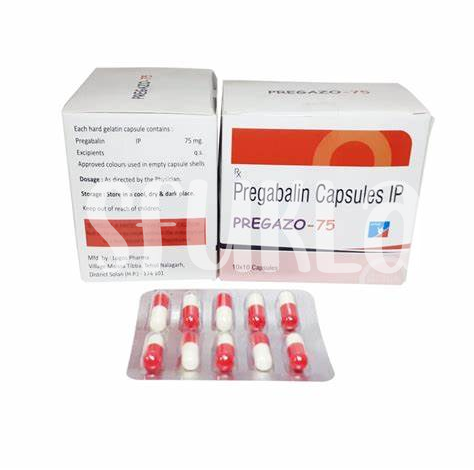
Two related drugs often sit side by side in clinic: pregabalin and gabapentin. Both originated as anticonvulsants and were later repurposed for neuropathic pain, but their approved indications differ enough to shape choices patients and clinicians make.
Gabapentin carries approvals for partial seizure adjunctive therapy and postherpetic neuralgia; clinicians also use it off label for diabetic neuropathy. Pregabalin adds FDA approved fibromyalgia treatment and is often preferred for severe, generalized neuropathic pain; in some regions it is also approved for generalized anxiety disorder.
Teh choice hinges on comorbidities, renal function, and patient goals. Pregabalin permits faster titration and more predictable absorption to acheive relief sooner, while gabapentin is often favored for cost and tolerability concerns.
Dosing, Absorption, and Onset: Practical Prescribing Differences
When choosing between agents, practical prescribers note pregabalin absorbs rapidly and reaches peak concentrations within an hour, enabling quicker symptomatic relief and simpler titration. Its linear, high bioavailability makes dosing more predictable, and clinicians often start low and uptitrate over days.
Gabapentin requires more gradual escalation because its saturable transport reduces bioavailability at higher doses, and its three-times-daily dosing can hamper adherence. Both drugs need renal dose adjustment, and occasional switching or combination therapy should be managed carefully to avoid sedation and other side effects, sometimes occassionally requiring dose reduction.
Efficacy and Pain Control: What Studies Show
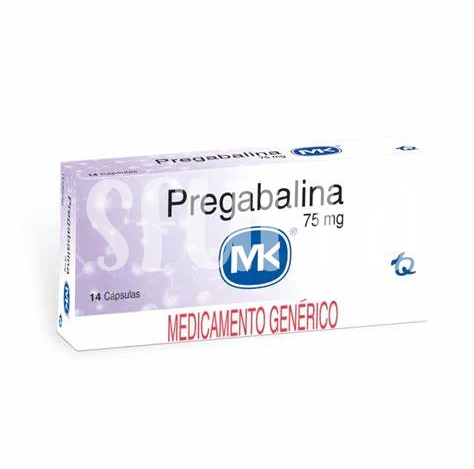
Randomized trials and meta-analyses have compared pregabalin and gabapentin across neuropathic pain syndromes, showing both reduce pain versus placebo. Pregabalin often demonstrates quicker pain relief and more consistent dosing, while gabapentin’s effect can be dose-dependent and variable between patients.
Head-to-head studies find modest advantages for pregabalin in pain intensity and sleep quality, but differences are sometimes small and not always clinically meaningful. Heterogeneity in study designs, dosing schedules, and patient populations makes direct comparisons difficult; clinicians must weigh efficacy against tolerability.
In practice, treatment is individualized: if rapid onset and stable dosing are priorities pregabalin may be chosen, but cost, side effects, and patient preference determine who will best recieve benefit and functional recovery outcomes.
Side Effects, Dependence Risk, and Withdrawal Profiles
Both drugs cause dizziness, somnolence, and weight gain; pregabalin often acts faster and can produce blurred vision and dry mouth. Occassionally patients report cognitive fog.
Dependence is uncommon but higher with pregabalin at high doses and in people with substance use history; clinicians should monitor for misuse and counsel patients.
Stopping abruptly may trigger insomnia, nausea, headaches, and anxiety; gradual tapering over weeks reduces symptoms and rebound pain.
Quick comparison:
| Drug | Notes |
|---|---|
| Pregabalin | Faster onset, higher misuse risk |
| Gabapentin | Slower titration, lower potency |
Choosing the Right Drug: Patient-centered Decision Factors
Start by listening: the best choice hinges on the patient’s pain pattern, comorbidities, and daily goals. A neuropathic, burning pain may favour one agent, while mixed pain or sleep disruption shifts the balance; patient tolerability and prior response guide selection.
Consider kidney function, age, pregnancy plans, and polypharmacy: pregabalin is renally cleared, so dose adjustments are often neccessary, and abuse risk is small but present. Discuss side-effect priorities—somnolence, weight gain—and definite titration plans with the patient.
Frame a short therapeutic trial with measurable goals, clear stop rules, and follow-up. Encourage patients to report noticable changes and mood shifts; shared decision-making permits switching if benefits don't justify adverse effects, keeping care individualized and realistic with reviews. MedlinePlus: Pregabalin EMA: Lyrica (pregabalin)