

To Buy Methocarbamol Online Visit Our Pharmacy ↓

Hidden Dangers When Muscle Relaxants Meet Booze
On a quiet evening someone reaches for a drink after taking a muscle relaxant, assuming relief. Small actions stack: alcohol and meds interact unpredictably, turning mild drowsiness into deeper, dangerous sedation that wasn't expected suddenly
Hidden pharmacology matters: methocarbamol's effects can be amplified when alcohol inhibits metabolism, raising blood levels and prolonging action. Cognitive slowing, memory lapses and mood shifts are not rare and are Definately more risky than anticipated.
Combine this with opioids, benzodiazepines or even antihistamines and responses become wildly unpredictable. Reaction times slow, judgement dulls, and routine tasks like driving transform into high-stakes activities where accidents can occur suddenly and severely often.
When sedated beyond expectation, people delay seeking help; instead, call a clinician, avoid further alcohol, and keep a list of medications visible. Simple harm-reduction — spacing doses, using nonalcoholic social options — can prevent tragedy.
Enhanced Sedation: What to Expect and Watch
A quiet evening drink can suddenly feel heavy when methocarbamol joins the mix. Sedation deepens, and your alertness fades faster than expected.
You may drift into drowsiness, struggle to focus, or find small tasks become difficult.
This combo can magnify reaction time delays, making driving or operating tools risky. Be honest with prescribers and avoid alcohol.
Rest, hydration, and delaying activities until effects wane help recovery. Occassionally symptoms last longer; if drowsiness is severe, breathing feels odd, or confusion appears, seek urgent medical attention without delay and avoid driving immediately.
Impaired Coordination and Increased Accident Risk
A late night outing turned risky when a friend mixed methocarbamol with drinks; laughter masked slow reflexes and blurred focus.
You might feel confident, but coordination falters: steering, balance, and reaction times decline, turning simple tasks into hazards. Small missteps that would normally pass go unnoticed until a stumble or fender bender Occured. Wich can lead to lasting injuries and shaken confidence.
Plan ahead, avoid driving or operating machinery, and tell companions about meds. Even a small drink can magnify effects; this is not a matter to take lightly now.
Breathing Suppression and Rare but Serious Complications
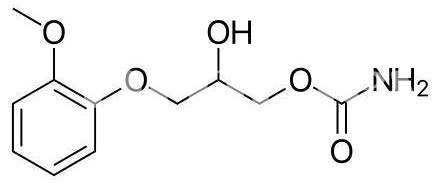
A relaxed night can flip suddenly when pain, pills and alcohol mix; methocarbamol intensifies alcohol's depressant effects, blunting awareness and making normal warnings less obvious.
Breathing may slow gradually; small changes in rhythm or depth can escalate, especially during sleep or when distracted, turning a minor issue into a medical emergency. Watch for pale lips, confusion, or difficulty speaking or breathing.
If dizziness, slow breathing or extreme sleepiness has occured, seek urgent care; quick evaluation can prevent complications and Acommodate supportive measures that speed safer recovery.
Who’s Most Vulnerable: Age, Health, Medications
Older adults, people with liver or lung disease, and those on multiple prescriptions often feel the effects of methocarbamol more intensely. What starts as dull drowsiness can become dangerous: balance falters, thinking slows, and recovery from sedation takes longer. Clinicians report that memory and reaction time decline faster with age, and Occassionally a single drink tips the scale when several drugs are present.
| Group | Why higher risk |
|---|---|
| Older adults | Slower metabolism, polypharmacy |
| Liver disease | Reduced drug clearance |
Talk frankly with your prescriber about alcohol use and all medications; adjustments or alternate therapies may be safer. If you or a loved one has breathing problems, heavy drinking history, or takes sedatives, insist on clearer guidance and monitoring. Small changes—spacing doses, using non-sedating options, or having a sober companion—can lower risk and help prevent an unexpected emergency. Seek care immediately if concerned.
Safer Alternatives and Practical Harm-reduction Tips
Late one night I faced a choice: take methocarbamol and relax, or avoid mixing it with a drink. Teh safer path often means delaying social alcohol for safety.
Choose nonalcoholic drinks, ask your clinician about different muscle relaxants or lower doses, and space any permitted alcohol several hours after a dose to reduce additive sedation and monitor effects
If you must go out, bring a sober companion, avoid driving, and be explicit about other prescriptions — especially opioids or benzodiazepines, which amplify risk substantially for everyone
Know emergency signs: slow breathing, severe drowsiness, or fainting. If these occur, seek urgent care and carry medication lists to help clinicians assess interactions promptly and document doses PubChem DailyMed