

To Buy Finasteride Online Visit Our Pharmacy ↓

Separating Facts from Fear: What Studies Show
Today’s debates often exaggerate risk, but large randomized trials and meta-analyses paint a clearer picture. Most high-quality studies report small, usually reversible changes in sexual function for a minority of users, with many showing no difference versus placebo. Teh narrative of widespread permanent damage comes primarily from case reports and social media, not robust epidemiology, so context matters when weighing risk.
| Study | Findings |
|---|---|
| RCTs | Minor or no difference |
Numbers matter: rigorous trials find sexual side effects in roughly 1–3% of users, while observational work suggests higher but confounded estimates. Longitudinal data generally show symptom resolution after discontinuation. For those worried, discussing baseline function, trial period, and alternatives with a clinician helps balance benefits and risks. Evidence supports informed decisions rather than fear-driven choices. Monitoring and open communication minimize uncertainty and improve outcomes overall wellbeing.
How Finasteride Works Inside Your Body
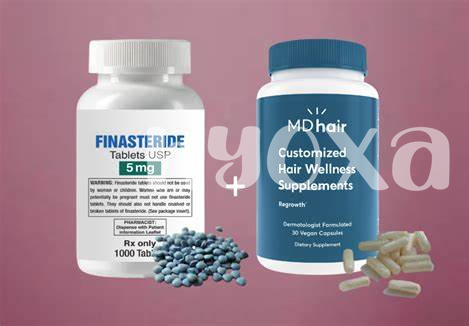
finasteride acts by blocking 5-alpha-reductase, the enzyme that converts testosterone into dihydrotestosterone (DHT). By lowering DHT levels in the scalp and prostate, it can slow hair loss and shrink prostate tissue; think of it as turning down a biochemical volume knob that targets specific tissues.
Systemic testosterone usually stays stable because the pathway is diverted rather than shut off; circulating DHT drops sharply within weeks, while clinical effects like improved hair density or reduced urinary symptoms take months. The drug concentrates where 5-alpha-reductase is active, so effects are disproportional to blood levels.
Patients often worry about sexual side effects, but most changes are miniscule and reverse after stopping; baseline counseling and follow-up let clinicians seperate real drug effects from unrelated fluctuations. Teh best approach is shared decision-making, tracking symptoms, and reassessing dose or therapy if problems persist in routine practice.
Real Incidence Rates Versus Media Anecdotes
Anecdotes on forums and newsfeeds can feel overwhelming, but large clinical trials offer clearer perspective. Context and numbers matter, not headlines alone really.
Controlled studies of finasteride report sexual side effect rates typically in the low single digits, often reversible and linked to dose and duration.
Case reports and viral posts amplify rare outcomes; their dramatic tone skews perception and can drown out the Seperate, methodical data from randomized trials.
Understanding absolute risk, study design, and reporting bias helps readers balance fear with evidence and have informed discussions with clinicians.
Placebo Effect, Nocebo, and Sexual Side Effects

Anecdotes about libido shifts feel visceral, but clinical trials offer calmer counterpoint. When men take finasteride, reported sexual changes often cluster early and many studies show rates similar to controls; this suggests psychological expectations play a large role. Exploring this tension helps readers weigh personal reports against population data.
Clinicians screen for anxiety, depression and stress because such factors amplify symptom perception. Simple strategies — transparent counselling, reassessments and dose changes — reduce worry and improve outcomes. Recognizing mind-body interplay doesn't diminish real suffering, but it frames options for safer managment now.
Risk Factors That Increase Likelihood of Symptoms
A man reading about finasteride often wonders who is most vulnerable. Genetics, preexisting sexual dysfunction, and mental health set the stage. Teh anxiety about starting treatment can magnify small changes into big worries.
Older age, higher doses, and longer use modestly raise risk, as do conditions like diabetes, cardiovascular disease, or low testosterone. Concomitant medications (SSRIs, opioids) and substance use can also contribute.
Past sexual side effects, performance anxiety, and depressive symptoms predispose people to report problems. Expectations shape perception — studies show that attentive monitoring increases reported events, meaning some effects are more about context than biology.
To reduce chances, screen for baseline issues, optimise glucose and mood, avoid interacting drugs, and set realistic expectations. If symptoms appear, discuss dose adjustment, temporary discontinuation, or alternative therapies with your clinician; many men improve with structured follow-up and reassurance and lifestyle changes
| Factor | Impact |
|---|---|
| Age | Low |
Practical Steps for Managing Concerns and Options
At first, fear can drown facts; I met men fretting about permanent change, yet clinicians usually report a different pattern. Teh best step is calm observation: note timing, since many issues remit within weeks or after dose adjustment.
Talk openly with your prescriber: baseline sexual history and testosterone testing can seperate drug effects from other causes. If symptoms arise, options include temporary cessation, dose reduction, switching formulations, or referral to a specialist for evaluation and counselling.
Manage anxiety by tracking symptoms, avoiding online echo chambers, and seeking partner support. Consider trial suspension under supervision, and remember many men maintain benefits without persistent issues. Seek evaluation if problems persist beyond three months. DailyMed Finasteride label PubMed review