

To Buy Clomiphene Online Visit Our Pharmacy ↓

Mechanisms Showdown: How the Two Drugs Trigger Ovulation
In a small clinic room, two molecules face off: one tricks Teh brain and the other curbs estrogen production. Clomiphene blocks central estrogen receptors, prompting pulses of GnRH and rises in FSH/LH to coax follicles. Letrozole inhibits aromatase, lowering estrogen synthesis so the pituitary boosts FSH.
Clinically, that means timing differences, variable endometrial effects, and distinct side-effect profiles; letrozole often yields more natural estrogen environments while clomiphene can cause persistent receptor blockade. Choose based on diagnosis, prior response, and goals, with monitoring to tailor dose and timing for ovulatory response.
| Drug | Primary action |
|---|---|
| Clomiphene | Estrogen receptor modulation (central) |
| Letrozole | Aromatase inhibition (reduces estrogen synthesis) |
Fertility Outcomes: Which Drug Boosts Pregnancy Odds Faster
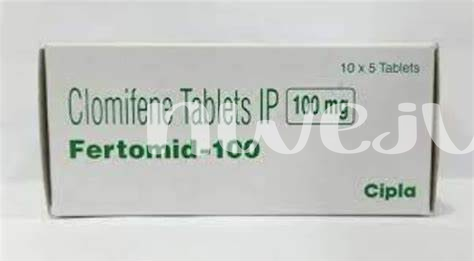
Patients often describe the first cycle on clomiphene or letrozole as a tense but hopeful experiment; clinical trials show letrozole often yields higher live birth rates in women with polycystic ovary syndrome, while clomiphene retains value for its long history and low cost. Meta-analyses report quicker ovulation and higher clinical pregnancy rates with letrozole in many cohorts, though individual responses vary and combined strategies sometimes bridge gaps in everyday practice.
In practical terms, letrozole tends to boost pregnancy odds faster for many PCOS patients, especially those who never successfully ovulated on clomiphene, but some couples still Recieve good outcomes with clomiphene after dose adjustments. Timing, ultrasound monitoring, and tailored dosing improve chances regardless of drug. Discussing goals, prior response, and plans for assisted reproduction helps clinicians recomend the best next step. A shared decision accelerates care and reduces unnecessary cycles.
Side Effects Decoded: Risks, Rare Events, Hormone Impacts
Start with a patient story: she noticed hot flashes and mood swings after starting clomiphene, simple symptoms that prompted careful monitoring and a conversation about expected transient hormonal changes soon.
Common effects include nausea, breast tenderness, visual disturbances and blurred vision; most resolve on cessation, but any sudden visual changes should recieve urgent assessment to exclude rare complications like OHSS.
Less common but serious risks are ovarian hyperstimulation and multiple gestation; clinicians monitor follicle growth and estradiol levels, balancing effectiveness against potential harm in each case and counsel patients accordingly.
Endocrine impacts vary: clomiphene's estrogen receptor effects can thin the uterine lining, while long term outcomes are generally favourable with proper surveillance and follow up
Dosing Playbook: Timing, Monitoring, and Cycle Strategies
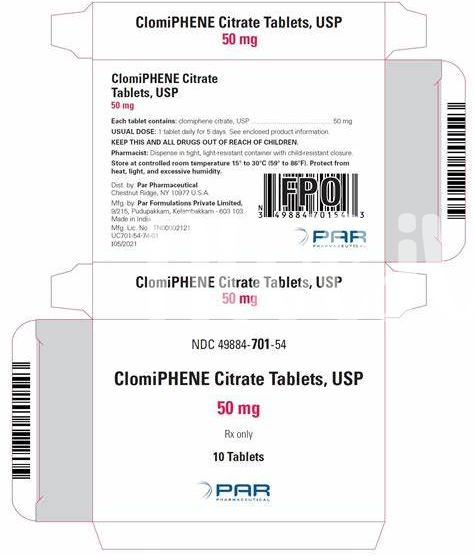
In a typical cycle you start oral agents early, often day 3 to 5, with clomiphene given for five days. This timing targets the follicular phase; subtle shifts of a day or two can change response and monitoring needs.
Ultrasound tracking of follicle growth and estradiol checks allow dose tweaks; Occassionally follicles lag, clinicians may raise clomiphene dose in the next cycle, or add injectable gonadotropins. Safety labs reduce rare complications.
Start low and increase cautiously: Begining at 50 mg, clomiphene is moved to 100 mg if no ovulation. Trigger shots and timed intercourse or IUI are planned when dominant follicles reach target size, often 18 mm.
Clinicians limit consecutive cycles to avoid overstimulation; luteal support with progesterone may be added for implantation. Weekly follow-up assesses side effects and aligns treatment with patient goals, adjusting strategy based on response safely.
Patient Spotlight: Pcos, Unexplained Infertility, and Responders
A young woman with irregular cycles sits in a clinic, learning how clomiphene can restart ovulation. Her hope is tangible; her questions are practical and urgent and optimistic.
Clinicians compare responses: PCOS patients often need tailored cycles, unexplained infertility cases may respond differently, and some responders show quick follicle growth while others require prolonged monitoring and gentle support.
| Type | Typical Response |
|---|---|
| PCOS | Variable |
| Unexplained | Modest |
Patients report relief when ovulation is confirmed, yet setbacks have Occured for some — prompting dose tweaks, cycle cancellations, or referral for advanced interventions. Shared decision-making remains crucial today.
Decision Guide: Cost, Availability, Pregnancy Goals, Clinician Advice
Choosing between options feels personal; practical financial constraints and local availability shape plans, while hopeful couples weigh timelines and emotional toll.
Some prioritize quick conception, others value lower monitoring. Discuss realistic goals with your clinician; they’ll outline risks, monitoring, and evidence based comparisons inform choices.
Cost can be modest per cycle, but cumulative expenses for tests and repeats add up. Definately budget and ask about insurance coverage.
Local access and clinician preference often decide the starting choice; revisit goals after two cycles and change course if needed reassess sooner realistically. NHS - clomifene MedlinePlus - clomiphene