

To Buy Atarax Online Visit Our Pharmacy ↓

Why This Antihistamine Causes Unexpected Daytime Sleepiness
I remember the first morning I felt the haze: a pleasant relief from sneezes followed by slow thinking and heavy eyelids. Teh surprise was how subtle it began, turning routine tasks into chores.
Pharmacology explains it: many older antihistamines cross the blood–brain barrier and block central H1 receptors, producing sedation proportional to dose and duration. Metabolism, interactions and genetic variants influence waking levels, and effects can linger beyond expected hours.
| Tip |
If symptoms interfere with work, discuss timing, dose, or alternative non-sedating options with your clinician; sometimes shifting to evening use or newer agent helps. Keep a sleep diary, avoid alcohol, and report persistent impairment.
Recognizing Symptoms: Medication Effects Versus Lifestyle Causes
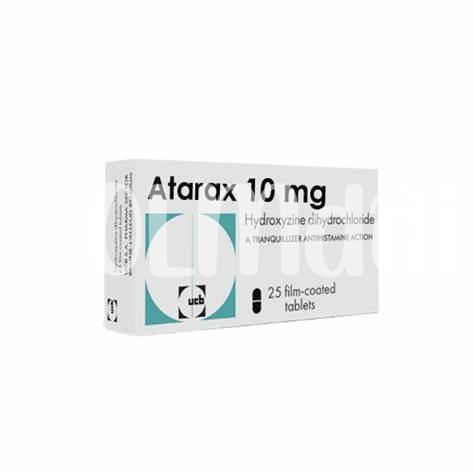
I woke groggy after a dose of atarax, staring at sunlight through curtains. Teh fog felt different from ordinary tiredness; it had a sluggish, drug-induced quality that altered focus today.
Compare onset and pattern: medication drowsiness often begins shortly after a dose and repeats predictably, with Noticable vertigo or slowed thinking. Lifestyle fatigue fluctuates with poor sleep, stress, or skipped meals.
Keep a brief diary noting time of atarax, sleep length, caffeine intake, and activity. Patterns help clinicians decide if dose timing or alternative therapy may reduce daytime sleepiness signs.
Daily Strategies to Reduce Morning and Afternoon Drowsiness
That first morning haze after a dose of atarax can turn routine tasks into small obstacles. Picture spilling coffee, misplacing keys, or needing extra caffeine—it's frustrating, but knowing simple adjustments makes day feel more controllable and less surprising.
Start with light movement: a brisk 10-minute walk or gentle excercise within 30 minutes of waking boosts circulation and alertness. Hydration, a balanced breakfast with protein, and strategic short naps (20 minutes) reduce mid-morning slump without sabotaging nighttime sleep.
Plan medication timing with your provider: shifting doses, splitting amounts, or taking atarax at night can help. Also limit sedating alcohol and antihistamine combinations, keep bright light exposure in the morning, and log patterns to discuss during follow-up.
Adjusting Dosage Timing Safely in Consultation with Professionals

I learned that shifting a dose by an hour or two can change how awake I feel; with atarax the difference can be dramatic. Talk openly with your clinician about work hours, sleep patterns and other medications so any change is safe and tailored.
Clinicians may suggest taking doses at night, splitting doses, or lowering strength, but never alter treatment on your own. Keep a simple daily log of drowsiness and side effects and follow up so adjustments are monitored and refined. Teh goal is better alertness with minimal risk.
Lifestyle Tweaks That Boost Alertness While Medicated
I used to fight midafternoon fog until I learned gentle rituals that respect medication’s sedating edge. With atarax, small changes make a big difference: start with bright morning light, hydrate well, and break tasks into 25–50 minute blocks to stay mentally fresh. Stand and stretch every hour, and schedule brief walks after meals. If drowsiness feels heavy, try micro-naps of 10–20 minutes Occassionally rather than forcing through exhaustion.
Pair these tactics with timed caffeine in the day and consistent bedtimes to amplify benefit. Small environmental shifts — cooler room temperature, upright posture, and a clutter-free desk — support wakefulness. Quick reference:
| Tip | Why |
|---|---|
| Hydrate | Circulation |
| Light | Resets circadian |
When to Seek Medical Advice or Consider Alternatives
Imagine waking after a restless night and finding your head heavy and focus gone during a morning meeting — such persistent drowsiness that interferes with driving, caring for children, or daily tasks should prompt a call to your prescriber. Note warning signs: confusion, falls, slowed breathing, or new urinary retention and dry mouth with marked impairment. Keep a short diary of timing, dose and activities so the clinician can understand patterns and decide if adjustment is needed.
If sleepiness continues beyond a couple of weeks, or if you must stop important tasks to nap, discuss alternatives: lower dose, different timing, or a non‑sedating H1 such as loratadine or cetirizine. Elderly patients, those pregnant, or people taking opioids, benzodiazepines or alcohol should recieve prompt review. Together you can weigh benefits, explore topical or behavioral options, or try a monitored switch with guidance. PubMed: hydroxyzine NHS: hydroxyzine