

To Buy Prednisone Online Visit Our Pharmacy ↓

Understanding Prednisone: Origins and Basic Functionality
Originating in the mid-20th century, prednisone emerged as a revolutionary corticosteroid when it was first introduced for medical use. It belongs to a class of synthetic steroids mainly designed to replicate the effects of hormones naturally produced by adrenal glands. Structurally similar to the hormone cortisol, prednisone works by reducing inflammation and suppressing the immune system's overactive responses, making it crucial in managing conditions like arthritis, asthma, and autoimmune diseases.
| Aspect | Details |
|---|---|
| Type | Synthetic corticosteroid |
| Introduced | Mid-20th century |
| Function | Anti-inflammatory, immunosuppressant |
Despite its efficacy, prednisone requires precise medical supervision due to its potential side effects and the critical balance needed to manage symptoms while minimizing adverse effects. As an essential drug in the steroidal family, it distinguishes itself by effectively controlling inflammation with relatively fewer initial side effects compared to some stronger alternatives.
Comparing Potency: Prednisone Vs. Other Steroids

When exploring steroid potency, prednisone often takes center stage. It belongs to the class of glucocorticoids and is frequently used in clinical settings owing to its superior anti-inflammatory and immunosuppressive properties. Compared to other steroids like hydrocortisone, prednisone is roughly four times more potent, making it a more effective choice for treating severe inflammatory conditions.
Prednisone also distinguishes itself from other steroids such as dexamethasone, which, although more potent, is typically reserved for situations requiring high-level suppression of immune responses. The balance of its effectiveness and manageable potency makes prednisone suitable for long-term use, unlike some of its counterparts that pose heightened risk with prolonged administration.
Moreover, its potency profile enables lower dosing, which potentially reduces the likelihood of adverse effects compared to other steroids administered in higher doses. These attributes highlight why prednisone is often selected for a range of therapeutic applications where moderate yet effective potency is desired.
Prednisone’s Unique Metabolic Pathway Compared to Others
In the vast realm of corticosteroids, prednisone carves a distinctive niche with its unique journey through the body. When taken, prednisone is an inactive compound that must be metabolized by the liver to convert into its active form, prednisolone. This conversion offers a fine-tuned control over its therapeutic effects, allowing for precise modulation of inflammation and immune response. Unlike some other steroids that exhibit uniform activity regardless of metabolic processes, prednisone relies significantly on this transformation for its efficacy.
This metabolic distinction can impact how prednisone is used in clinical settings. For patients with compromised liver function, alternative steroids might be considered, as their direct activity doesn't hinge on metabolic conversion. Such specificity underscores its tailored use in medical treatments, offering both a targeted approach and minimized systemic disturbances. Understanding this pathway not only enhances comprehension of prednisone's actions but also highlights its suitability for individuals with varying metabolic needs, marking it as a versatile option in the healthcare toolkit.
Side Effects: What Makes Prednisone Stand Out
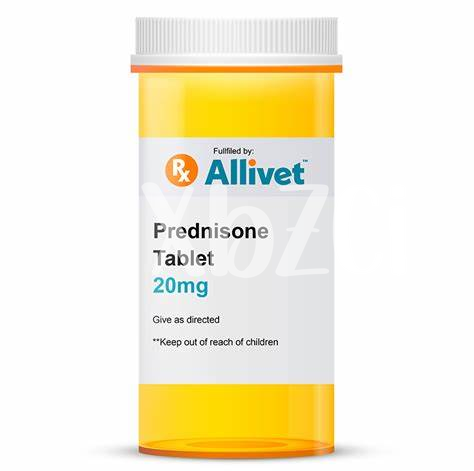
Prednisone, a commonly prescribed corticosteroid, often draws attention due to its distinctive side effect profile. Unlike other steroids, prednisone is more prone to causing fluid retention, leading to noticeable swelling in some patients. This can contribute to an increase in blood pressure, setting it apart from its counterparts. Moreover, prednisone is notorious for altering glucose metabolism, which can exacerbate pre-existing diabetes or even trigger new-onset diabetes in some users.
However, it's not just the physical side effects that make prednisone unique. It is also linked with psychological effects, sometimes causing mood swings or insomnia, a consequence not as prevalent in other steroids. These side effects necessitate careful monitoring, ensuring prednisone is used judiciously in clinical practice.
Usage Cases: When Prednisone Is the Preferred Steroid
In the realm of medical treatments, prednisone is often considered the go-to steroid due to its versatility and effectiveness. It is widely used in managing inflammatory conditions such as arthritis, where other steroids might not be as effective or have a wider range of side effects. Prednisone's ability to suppress the immune system makes it invaluable in treating autoimmune diseases like lupus and multiple sclerosis, providing relief where other treatments might fail.
| Condition | Usage of Prednisone |
|---|---|
| Arthritis | Reduces inflammation and pain |
| Lupus | Regulates immune response |
| Asthma | Decreases severe symptoms |
Asthma is another condition where prednisone shines, often prescribed during severe flare-ups to quickly reduce bronchial inflammation. Its fast-acting properties are critical in emergency situations. Despite being a potent medication, the decision to use prednisone is carefully considered by physicians, balancing its benefits against potential long-term effects.
Prednisone's Role in Managing Chronic Conditions
In the vast arena of chronic disease management, prednisone emerges as a pivotal player. This corticosteroid is often chosen for its ability to effectively curb inflammation and suppress the immune system, offering relief from the persistent symptoms of conditions like rheumatoid arthritis, lupus, and multiple sclerosis. Prednisone's application in chronic conditions is characterized by its ability to modulate complex immune responses, providing patients with a critical tool in the pursuit of symptom control and quality of life improvement.
For further information, you can explore these resources: Prednisone in Chronic Disease Management, Rheumatology's Guidance on Glucocorticoid Dosing.