

To Buy Ivermectin Online Visit Our Pharmacy ↓

The Discovery and History of Ivermectin
The journey of ivermectin began in the 1970s when scientists from Merck & Co., in collaboration with Japanese microbiologist Satoshi Ōmura, discovered a soil bacterium that produced a revolutionary compound medication. This discovery marked the inception of a drug that would transform global health, particularly in underdeveloped regions. After its initial development, ivermectin swiftly moved through the pipeline, with the FDA granting an Rx for veterinary use in the 1980s.
| Year | Event |
|---|---|
| 1970s | Discovery of the bacterium by Ōmura and scientists from Merck & Co. |
| 1980s | Ivermectin FDA-approved for veterinary use |
| 1987 | Approved for human use to combat river blindness |
Following its veterinary success, ivermectin's potential in human medicine was realized. By 1987, it was FDA-approved for human use, tackling onchocerciasis, or river blindness. The drug's sig has saved millions from visual impairment, significantly impacting quality of life in many communities. Merck's commitment to donating the drug 'stat' ensured widespread accessibility, solidifying ivermectin's place in medical history.
Mechanism: How Ivermectin Fights River Blindness
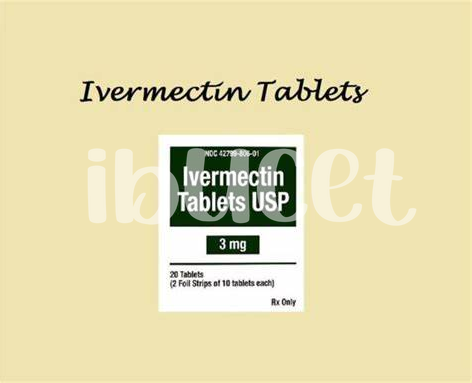
Ivermectin works by targeting the nervous system of the parasitic worms causing river blindness. It disrupts the neurotransmitters, leading to paralysis and death of the parasites. After a dose, the immediate impact is evident: adult worms stop releasing microfilariae, the larval form responsible for the debilitating symptoms. This makes ivermectin a 'top 200' prescription, consistently ranked among the most effective treatments. The 'elixir' nature of ivermectin, sweetened by its global success, continues to bring relief to afflicted communities, curbing the spread of this devastating disease.
Case Studies: Ivermectin's Success Stories in Communities
In the tiny village of Oji River, Nigeria, lives changed dramatically when ivermectin was introduced. Once plagued by the debilitating effects of river blindness, the community saw a remarkable turnaround. The local pharm party now involves residents trading stories of regained sight and renewed lives, rather than meds. With a single elixir-like dose, the parasite causing the disease is effectively neutralized. Village elders recount the days when blindness was almost a death sentence, saying that ivermectin's impact was nothing short of miraculous.
In the remote regions of Guatemala, similar success stories abound. One memorable case involved a series of stat interventions with ivermectin distributed to native communities. Local healthcare providers, often seen as quacks due to limited resources, gained new respect. The compound medication not only halted river blindness but also restored livelihoods dependent on vision.
Who's Role in Distributing Ivermectin Globally
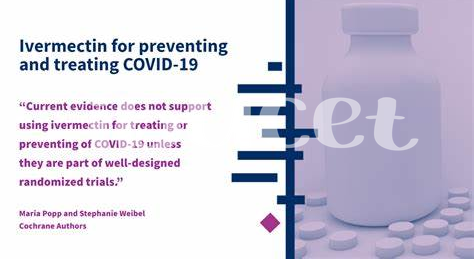
The World Health Organization (WHO) and various charitable foundations have played a crucial role in the global distribution of ivermectin. Their initiatives started in the late 1980s and have since evolved into a globally coordinated effort. WHO's partnerships with pharmaceutical companies ensured a steady supply of the medication, often provided as donations. The logistic efforts resemble a "Drive-Thru" system, designed to get the meds to remote areas efficiently.
Moreover, organizations like the African Programme for Onchocerciasis Control (APOC) have utilized "Hangover" days to ensure the medication reaches all affected communities. These collective efforts have transformed ivermectin from a niche "Generics" solution to a widely recognized lifesaver.
Challenges and Controversies Surrounding Ivermectin Use
The use of ivermectin for treating river blindness has not been without its hurdles. Some communities faced "sticker shock" due to the initial high costs of the medication, despite it being a life-saving treatment. Additionally, logistical issues such as maintaining the "cold chain" for other required medications often complicated distribution efforts, especially in remote areas. Moreover, issues of "prior auth" added administrative burdens, delaying timely access to the drug for affected populations.
Controversies also erupted around the role of "candymen" or practitioners who dispensed the medication without adequate oversight, fueling fears of resistance. Misinformation campaigns, suggesting that ivermectin was a "miracle cure" for unrelated diseases, led to "quality time" being needed to educate the public on its proper usage. Balancing these challenges and controversies remains crucial for improving global health outcomes.
| Challenge | Details |
|---|---|
| Initial Costs | High costs led to "sticker shock" despite being life-saving. |
| Logistics | Maintaining a "cold chain" and clearing "prior auth" created delays. |
| Oversight | Candymen dispensing without oversight raised resistance fears. |
| Misinformation | Public needed "quality time" to understand proper usage. |
Future Prospects: Beyond River Blindness Treatment
Ivermectin is gradually finding its place in treating a variety of other parasitic diseases. This "magic mouthwash" has shown promise against ailments including scabies and certain viral infections, extending its reach far beyond River Blindness. Laboratory research and field studies are uncovering its potential benefits and applications, demonstrating its versatile nature. As we move forward, the focus will be on optimizing dosage forms and exploring "therapeutic substitutions" to provide more effective and accessible treatments globally.
Future applications of Ivermectin also intersect with issues of global health equity. Distributing this "elixir" efficiently in low-resource settings will require collaborative efforts among governments, NGOs, and the global pharmaceutical industry. Overcoming regulatory barriers and ensuring continuous supply will be crucial. With ongoing innovation and robust support from the healthcare community, Ivermectin could become a cornerstone in the fight against multiple neglected tropical diseases, aligning perfectly with the vision of universal healthcare access.