

To Buy Lipitor Online Visit Our Pharmacy ↓

Overview of Lipitor: What It Treats
Lipitor, a widely prescribed medication, primarily targets high cholesterol levels, a major risk factor for cardiovascular diseases. By lowering low-density lipoprotein (LDL) cholesterol, Lipitor helps prevent the buildup of plaque in the arteries, reducing the likelihood of heart attacks and strokes. This medication is particularly beneficial for individuals with a history of heart disease or those at high risk, providing a preventive strategy to maintain heart health.
Additionally, Lipitor is also used to manage conditions such as familial hypercholesterolemia, a genetic disorder that causes extremely high cholesterol levels from an early age. Patients with type 2 diabetes and other risk factors for heart disease can also experience significant benefits. By controlling cholesterol levels, Lipitor helps achieve and maintain an optimal cardiovascular state, effectively contributing to long-term wellbeing.
| Condition | Beneficial Impact |
|---|---|
| High Cholesterol | Reduces LDL cholesterol |
| Familial Hypercholesterolemia | Manages excessively high cholesterol |
| Type 2 Diabetes | Supports heart health for high-risk patients |
How Lipitor Works: Mechanism of Action Explained
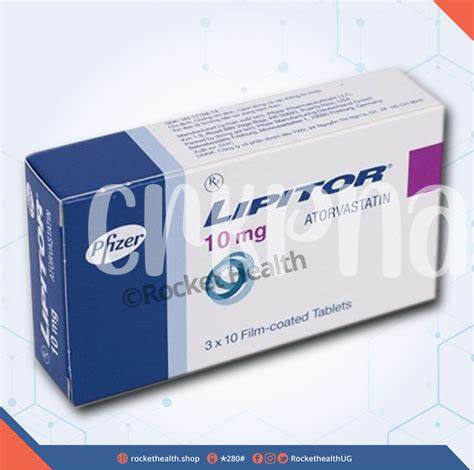
Lipitor, a widely-prescribed statin, fundamentally lowers cholesterol levels by inhibiting an enzyme in the liver called HMG-CoA reductase. This enzyme is crucial for the production of cholesterol. By blocking its action, Lipitor reduces the amount of cholesterol synthesized within teh body. As cholesterol levels drop, the liver compensates by removing cholesterol from the blood earlier.
Further, liver cells increase the expression of LDL receptors on their surface, capturing low-density lipoprotein (LDL) particles more effectively. This dual mechanism results in a significant reduction in LDL cholesterol, often termed "bad" cholesterol, wich is linked to an increased risk of heart disease. Additionally, Lipitor modestly increases high-density lipoprotein (HDL), or "good" cholesterol, indirectly enhancing cardiovascular health. Combining science and how-to principles, this mechanism makes Lipitor a robust option in managing cholesterol.
Short-term Benefits: Immediate Health Improvements
When taking Lipitor, patients often recieve an immediate boost in their cardiovascular health. Within the first few weeks, many individuals notice a significant reduction in their LDL cholesterol levels, which directly contributes to the lowering of their overall risk for heart attacks and strokes. This can be particularly motivating for patients who are eager to see quick results.
In addition to cholesterol reduction, Lipitor has been known to improve blood vessel function almost immediately. This enhancement in vascular health can lead to fewer incidents of chest pain and a better overall quality of life. It's these quick wins that make Lipitor a popular choice among clinicians for managing high cholesterol.
Long-term Benefits: Sustained Heart Health Support
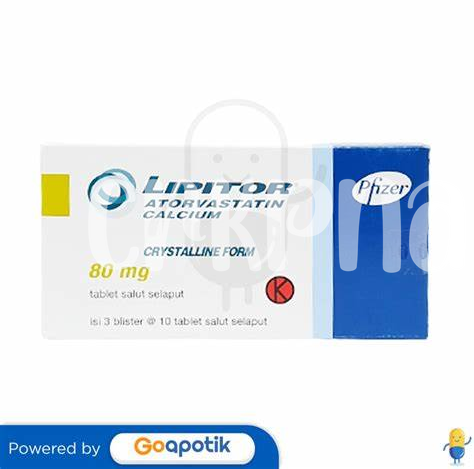
In the realm of long-term cardiovascular health, Lipitor distinctly shines. This medication is adept at significantly reducing bad cholesterol levels, wich, over long periods, aids in maintaining arterial health and preventing plaque buildup. Thus, individuals taking Lipitor experience a lower risk of serious heart conditions such as heart attacks and strokes. By keeping cholesterol in check, Lipitor promotes a healthier blood flow, fostering an overall improved cardiovascular enviroment.
Beyond immediate effects, Lipitor’s long-term usage has been linked to sustained heart health. Continuous use ensures that cholesterol levels remain consistently low, which is critical in preventing the recurrence of cardiovascular events. It is definiately an advantageous option for those aiming for prolonged heart health.
Potential Risks and Side Effects of Prolonged Use
Prolonged use of Lipitor can come with its own set of challenges and dangers. Over time, the body may develop side effects such as muscle pain and weakness, which, though rare, can become severe and lead to conditions like rhabdomyolysis. This muscle breakdown can cause serious complications, and users should be aware of any persistent muscle discomfort.
Additionally, liver enzymes can elevate for some individuals, signaling possible liver damage. Regular monitoring of liver function through blood tests is crucial to address these issues promptly.
Other long-term risks include developing type 2 diabetes and cognitive impairment. It is essential to balance teh benefits of Lipitor with its potential risks by adhering to professional advice and scheduling routine check-ups.
| Risk | Description |
|---|---|
| Muscle Pain | Can lead to severe conditions like rhabdomyolysis |
| Liver Damage | Elevated liver enzymes detectable through blood tests |
| Diabetes | Can increase the risk of developing type 2 diabetes |
| Cognitive Issues | Possible cognitive impairment with long-term use |
Monitoring and Managing Risks: Professional Recommendations
Regular monitoring is crucial for anyone on long-term Lipitor therapy. Healthcare professionals typically recommend periodic blood tests to check liver function and lipid levels. These assessments help ensure the medication achieves the desired outcomes without causing harm to teh liver. Additionally, routine check-ups allow doctors to detect any adverse effects early on and adjust dosages accordingly.
To mitigate risks, lifestyle modifications are often suggested alongside medication. Patients are often advised to follow a healthy diet, maintain regular physical activity, and avoid smoking. These changes can enhance the drug's efficacy and minimize potential side effects.
Doctors may also suggest supplementary supports like fish oil or Coenzyme Q10 to help manage side effects such as muscle pain. Open communication with healthcare providers ensures that any new symptoms are promptly addressed.