

To Buy Isotroin Online Visit Our Pharmacy ↓

Understanding How Isotroin Works for Acne
Isotroin, a trade name for isotretinoin, is a potent oral medication specifically designed for severe acne that doesn't respond to other treatments. Belonging to the retinoid class, this compound medication works by reducing the size of sebaceous glands, thereby decreasing oil production. This mechanism not only unclogs pores but also inhibits the growth of acne-causing bacteria. Essentially, Isotroin addresses multiple acne factors simultaneously, ensuring comprehensive acne management.
Moreover, Isotroin's dermatologist-prescribed effectiveness often means immediate results for patients battling stubborn acne. Unlike topical treatments that may offer limited results, Isotroin reaches the root cause of acne at the systemic level, providing a long-term solution with a rigorous follow-up through its script.
| Feature | Isotroin | Topical Treatments |
|---|---|---|
| Application | Oral | Topical |
| Mechanism | Reduces oil production, unclogs pores | Reduces inflammation locally |
| Effectiveness | High for severe acne | Varies, often lower |
Comparing Isotroin with Topical Treatments
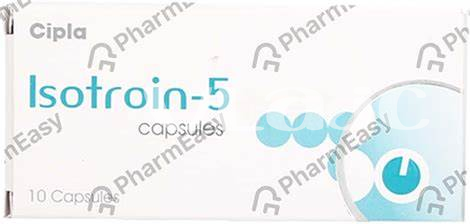
When evaluating isotroin alongside topical treatments, it's clear that there are substantial differences in application and efficacy. Isotroin is taken orally, targeting acne from within, while topical treatments focus on external application to reduce inflammation and bacteria on the skin's surface. This systemic approach of isotroin can lead to more pronounced and quicker results, especially for severe acne cases, which often do not respond adequately to even the best-compounded creams and gels found at the local pharmacy's drive-thru. However, the immediacy (stat) of seeing results can come with increased potential for side effects, making it necessary to follow the Rx precisely.
Topical treatments undoubtedly have their benefits, particularly for those seeking a gentler approach with fewer systemic side effects. Products containing benzoyl peroxide or salicylic acid often present fewer risks and are easily accessible as on-the-counter options. Nonetheless, the count and pour of these topical medications can typically only address mild to moderate acne, requiring continuous usage for maintenance. In contrast, isotroin may offer a more long-term solution, but it demands careful monitoring by a specialist to mitigate adverse reactions and ensure the treatment follows the precise sig.
Isotroin Vs. Oral Antibiotics: Pros and Cons
When comparing isotroin to oral antibiotics, it's essential to understand the different approaches each takes in combating acne. Isotroin, a powerful retinoid, works by reducing the amount of oil released by oil glands and promoting skin renewal. Oral antibiotics, on the other hand, primarily work by attacking the bacteria responsible for acne, reducing inflammation as a secondary benefit.
One of the major pros of isotroin is its effectiveness in severe cases of acne where other treatments might fail. It's the go-to Script for dermatologists when patients are dealing with persistent and cystic acne. Oral antibiotics need to be used cautiously long-term due to resistance risks and potential impact on gut flora, a notable downside when compared to isotroin.
However, isotroin doesn’t come without its own set of challenges. Side effects such as dry skin, lips, and even more serious issues like liver damage can arise, making regular monitoring via blood tests crucial. Oral antibiotics, although not devoid of side effects, are generally considered to have a more immediate and less severe impact, but the risk of antibiotic resistance always looms.
In terms of immediacy, oral antibiotics may offer more stat relief for patients seeing quick results in less severe cases, whereas isotroin tends to be a longer-term commitment with a more drastic outcome. Both treatments require careful Sig adherence to maximize benefits and minimize risks.
Hormonal Treatments: Effectiveness Compared to Isotroin
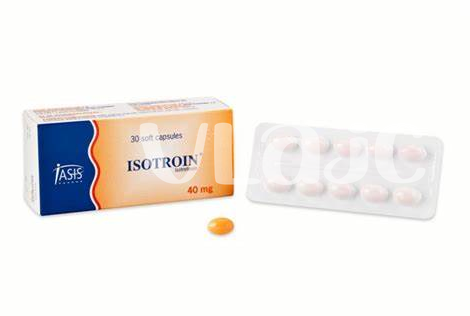
Hormonal treatments, such as birth control pills and anti-androgens like spironolactone, work by regulating the hormones that can trigger acne. These treatments can be quite effective but are typically prescribed for individuals whose acne is linked to hormonal imbalances. Compared to Isotroin, which works by reducing oil production and promoting skin cell turnover, hormonal treatments offer a different mechanism and are often viewed as a first-line treatment, especially for women.
Isotroin, on the other hand, provides a more aggressive approach for severe acne, showing significant results quicker than hormonal treatments. The trade-off often involves dealing with more intense side effects, requiring careful monitoring by healthcare providers. While both strategies are usually script-based therapies, the choice between isotroin and hormonal treatments often hinges on individual circumstances and the severity of one’s acne.
Side Effects: Isotroin Vs. Other Acne Medications
When comparing isotroin with other acne medications, the side effects can be quite pronounced. Isotroin, known for its potent anti-acne properties, often comes with a "hangover" of severe dry skin, lips, and eyes. On the other hand, topical treatments like benzoyl peroxide might cause irritation, but generally, they are less overwhelming. The spectrum of side effects can vary, and it sometimes feels like a "Pharm Party" deciding which one's worse.
Oral antibiotics commonly used for acne, such as doxycycline and minocycline, also come with their own list of potential side effects. Gastrointestinal issues and photosensitivity are frequent complaints, and it's not uncommon to deal with "fridge drugs" due to storage requirements. In comparison, isotroin can cause more systemic side effects impacting multiple body systems.
Hormonal treatments, often compounding medications like birth control pills, exhibit fewer side effects but can be tricky. They may lead to weight gain, mood swings, and sometimes the dreaded "happy pills" effect. Meanwhile, isotroin can theoretically offer more lasting solutions, although it necessitates careful monitoring to avoid debilitating side effects.
| Medication Type | Common Side Effects | Severity | |----------------------|----------------------------------------------|----------------| | Isotroin | Severe dry skin, lips, eyes, systemic issues | High | | Topical Treatments | Skin irritation, minor redness | Low-to-Moderate| | Oral Antibiotics | Gastrointestinal issues, photosensitivity | Moderate | | Hormonal Treatments | Weight gain, mood swings | Low-to-Moderate|
Ultimately, every treatment comes with trade-offs, leading to a delicate balancing act evaluated during a Med Rec, as patients weigh immediate relief against the potential for long-term consequences.
Long-term Results: Isotroin Against Other Treatments
When it comes to the longevity of acne treatment, Isotroin stands out starkly against its competitors. While topical treatments often require continuous application to maintain results, Isotroin typically offers more enduring clearance of acne. This makes it a compelling option for those weary of the endless cycle of follow-ups and refills.
Moreover, the long-term effects of Isotroin surpass most oral antibiotics. Whereas antibiotics may necessitate ongoing use with diminishing returns, a single course of Isotroin can yield lasting effects, reducing the need for repeat scripts. The commitment involved in its use is significant, often requiring regular lab checks or a "Pharm Tech" consultation, yet the payoff can be substantial.
Lastly, hormonal treatments, although effective, often need to be paired with other medications to sustain results over the long haul. Isotroin, on the other hand, frequently achieves long-term acne clearance as a standalone treatment. Despite its initial intensity, the duration of effectiveness makes it a stat choice for many dermatologists and patients alike.